
Why Albania's Nature Feels Different
For most of the twentieth century, Albania was one of the most isolated countries in the world. Under Enver Hoxha's communist regime, which lasted from 1944 to 1991, the country's borders were effectively closed to the outside world. No mass tourism. No large-scale infrastructure development in the mountains. No intensive resort construction along the coast.
The result, unintentional as it was, is a landscape that escaped many of the pressures that reshaped much of Mediterranean and Alpine Europe during the postwar decades. Much of the country's mountain landscape avoided the large-scale ski resort development seen elsewhere in Europe. Many of Albania's rivers remained free-flowing, avoiding the extensive dam development seen in parts of Europe. Large sections of the coastline escaped the resort expansion that transformed many Mediterranean destinations.
International tourism remained relatively limited until the 2010s, when Albania began attracting a much wider audience. Even now, the country receives a fraction of the visitors that neighbouring Greece, Croatia, or Montenegro attract each year. For travelers who care about nature, that gap in development history matters. It is why Vjosa still flows freely. It is why the Albanian Alps still feel remote. And it is why arriving here still feels like a genuine discovery.
The Albanian Alps: Europe's Wildest Mountain Frontier
The Albanian Alps rise steeply along the country's northern border with Montenegro and Kosovo, forming part of the broader Dinaric Arc that stretches across the western Balkans. Known locally as the Bjeshkët e Namuna — the Accursed Mountains — they are among the most dramatic and least visited alpine landscapes in Europe.
The range includes peaks rising above 2,500 metres, with deeply carved river valleys, glacial lakes, and remote shepherd villages that have changed little over centuries. For much of the twentieth century, the region was inaccessible to outsiders. Today it remains one of the few places in Europe where a multi-day mountain trek can still feel genuinely wild.
From Valbona to Theth: Albania's Classic Alpine Crossing
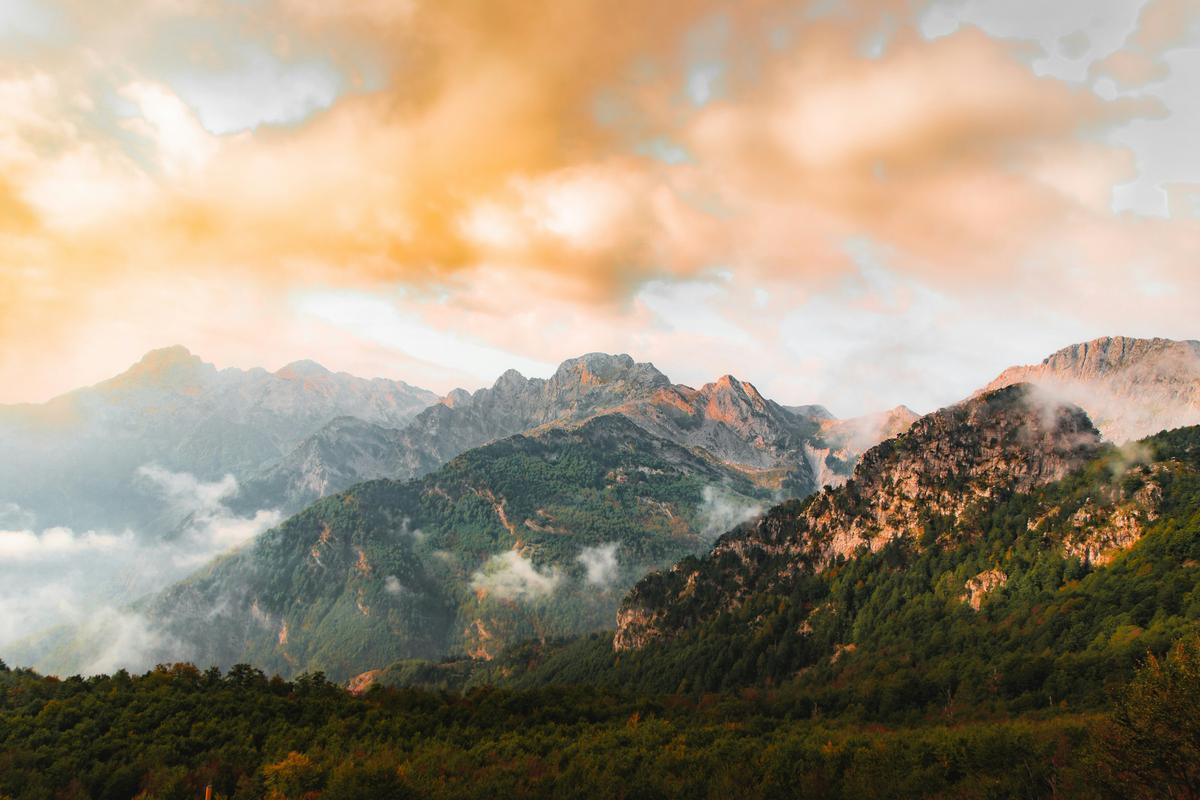
Two valleys define the Albanian Alps for most visitors: Valbona in the east and Theth in the west. Each has its own character — Valbona wide and open, framed by bare limestone peaks; Theth narrower and more sheltered, built around a traditional stone village with a small Catholic church and a waterfall that draws hikers from across Europe.
The trail connecting them crosses the Valbona Pass at around 1,800 metres and takes most walkers between five and seven hours. It forms part of the Peaks of the Balkans trail — a 192-kilometre circular route that crosses Albania, Kosovo, and Montenegro, often regarded as one of Europe's finest long-distance hiking routes.
The landscape along the route shifts constantly: pine forests give way to open alpine meadows, rocky ridgelines, and sudden views across valleys that seem to have no end. In summer, the path is busy by Albanian standards — which still means far quieter than comparable routes in the Alps or Dolomites.
Koman Lake and the Shala River
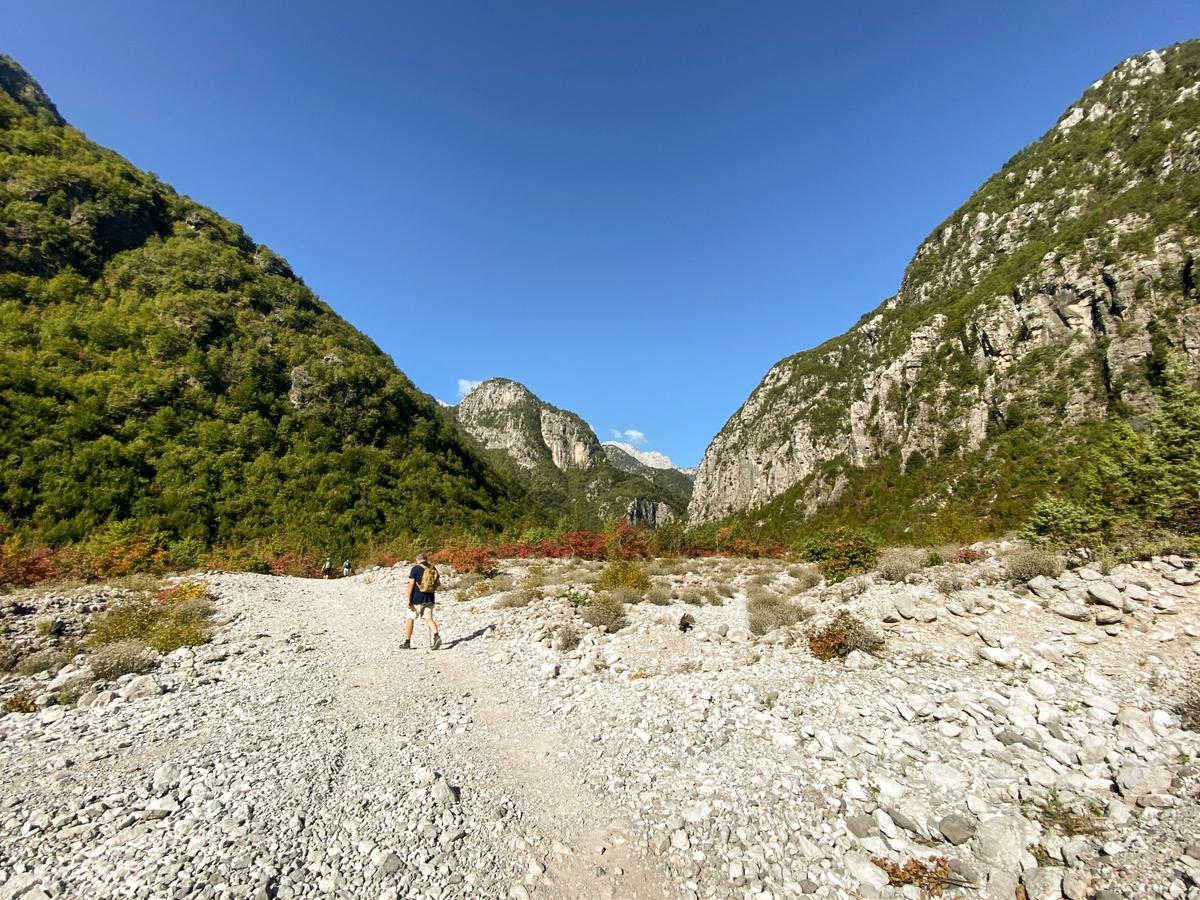
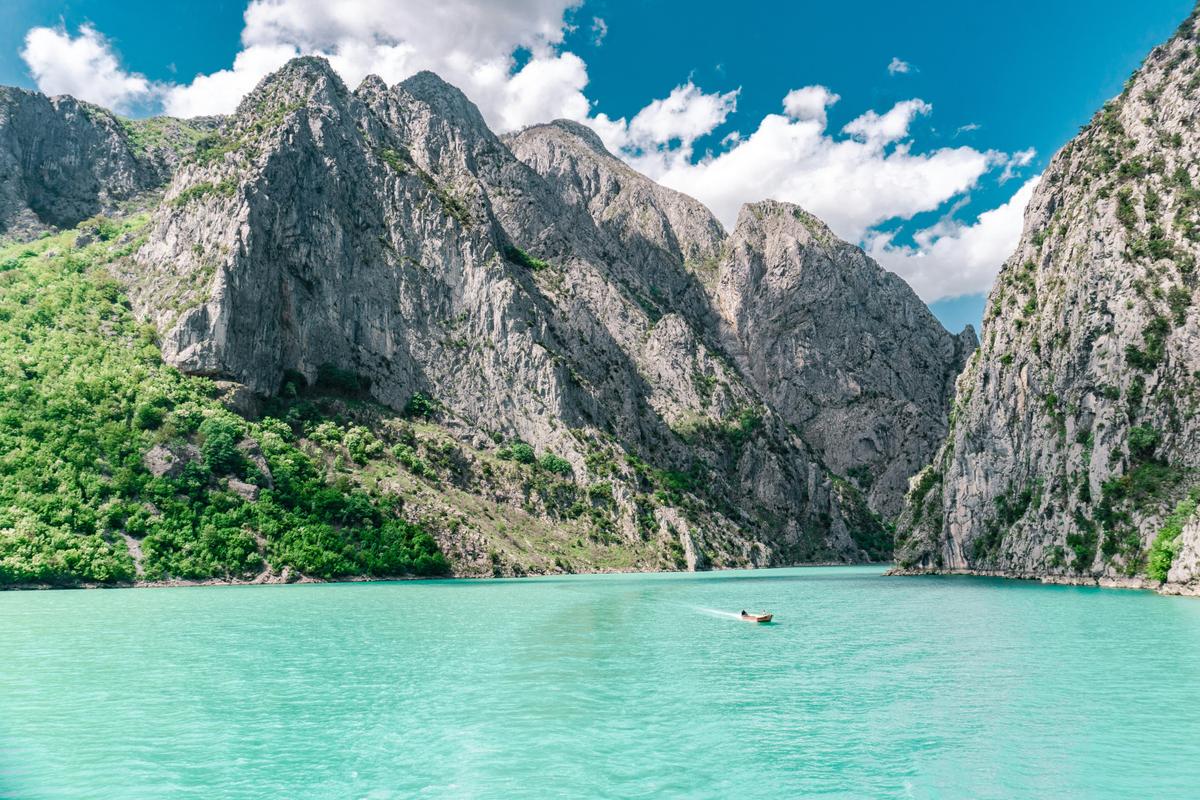
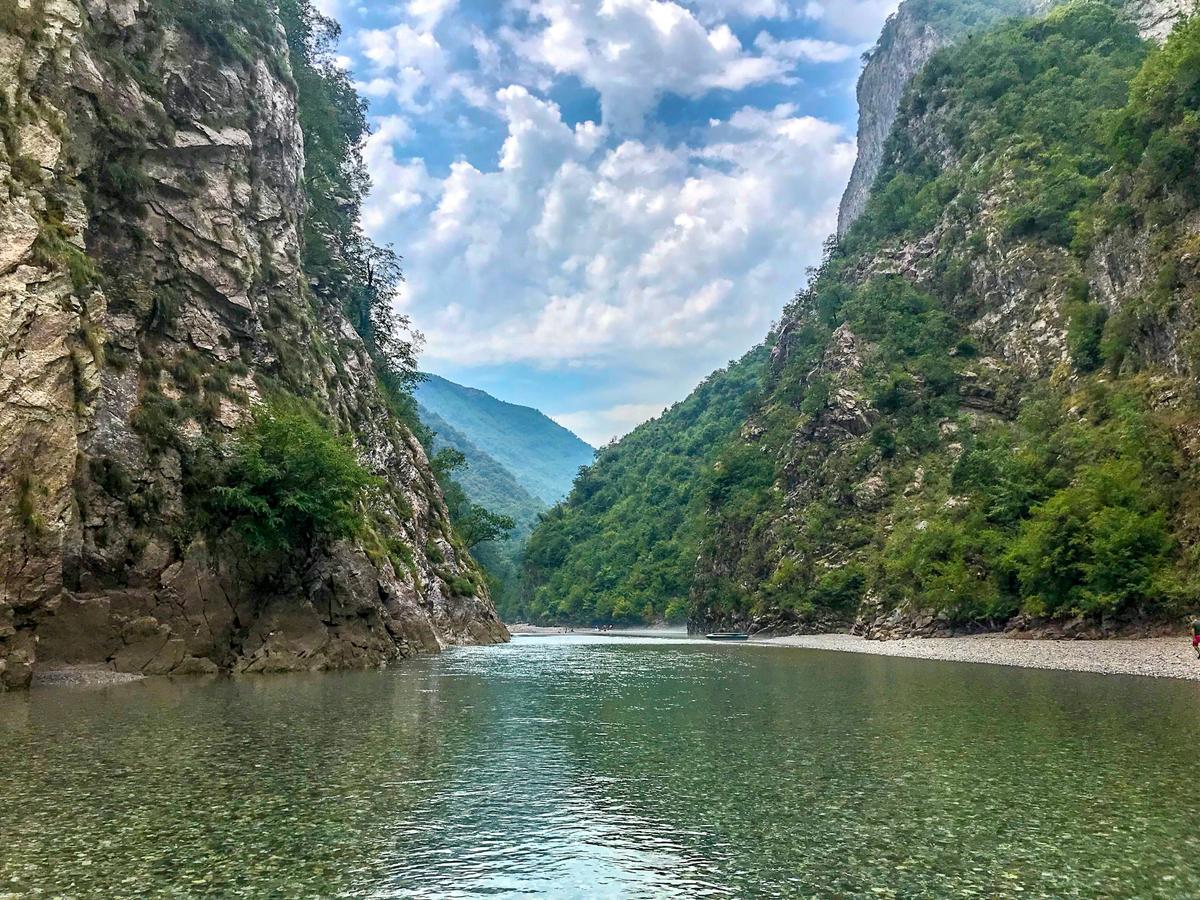
North of Valbona, the Drin River has been dammed to form Koman Lake — a long, narrow reservoir that winds between sheer limestone cliffs rising hundreds of metres above the water. The ferry journey across the lake, which takes around two and a half hours, is one of the most dramatic boat rides in the Balkans.
At the far end of the lake, the Shala River flows through a narrow canyon filled with remarkably clear water. The canyon walls narrow in places to just a few metres across. Small beaches line parts of the river and serve as stops for day trips that combine the Koman ferry with a boat ride into the canyon — an excursion that has become one of northern Albania's signature experiences.
National Parks and Protected Landscapes
Albania has established a network of national parks and protected areas covering a significant portion of its territory. The parks range from high alpine zones in the north to coastal marine reserves and ancient wetland landscapes in the south — reflecting the country's unusual geographic and ecological diversity.
Llogara National Park
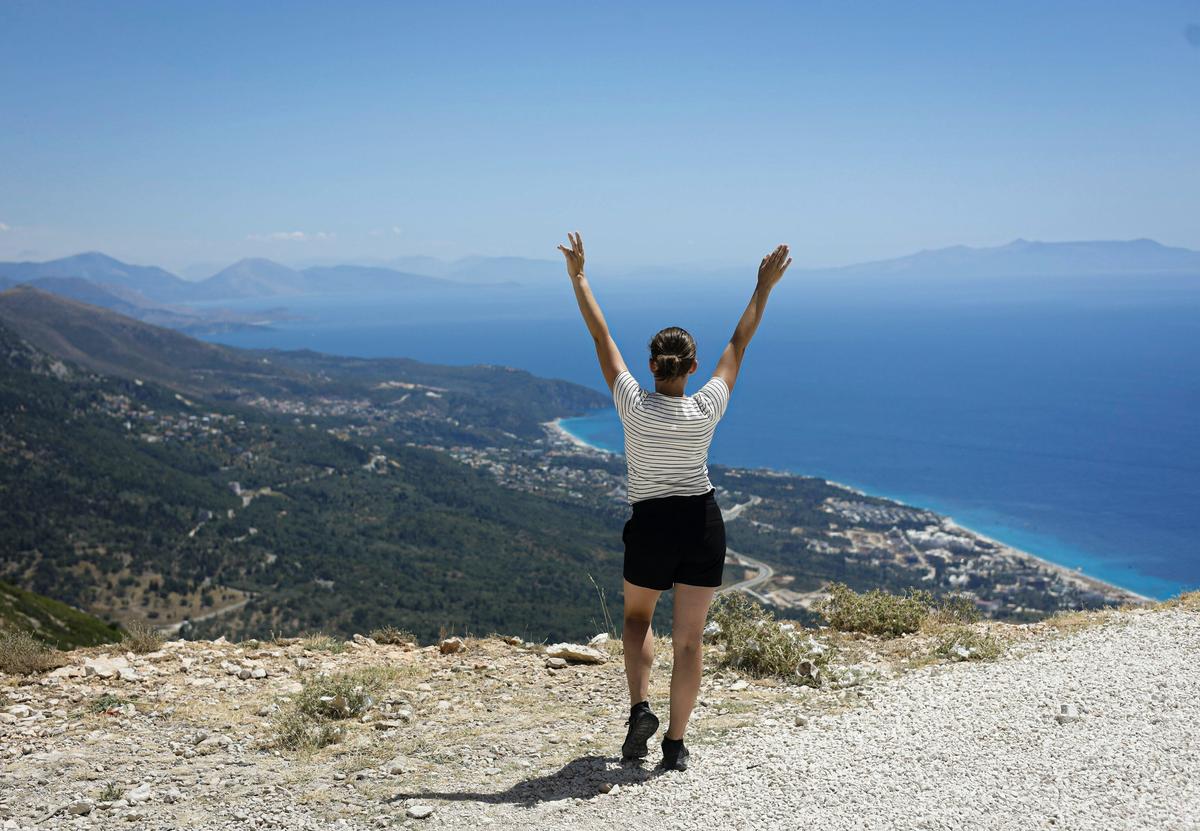
Llogara National Park occupies a dramatic stretch of the Ceraunian Mountains above the Albanian Riviera, where the land rises sharply from the Ionian coast to elevations above 2,000 metres. The park is dominated by black pine forests — some of the finest in the Balkans — and offers sweeping views across the sea toward the Greek island of Corfu on clear days.
The pass road through Llogara is one of Albania's most scenic drives, descending from cool mountain air into the warmth of the coast within a matter of kilometres. The contrast between the forested highlands and the turquoise water below is one of the most striking transitions in Albanian geography.
Karaburun-Sazan Marine National Park
Located at the point where the Adriatic and Ionian seas meet, the Karaburun-Sazan Marine National Park encompasses one of the eastern Mediterranean's most valuable marine conservation areas. It includes the Karaburun Peninsula — a largely roadless stretch of limestone coastline — and the island of Sazan, which was a closed military zone until the 1990s and remains essentially undeveloped.
Underwater, the park contains caves, reefs, and exceptionally clear water that has made it a destination for divers. Above the surface, the peninsula's cliffs and coves are accessible mainly by boat, preserving a quality of remoteness that is increasingly rare along European coastlines.
Butrint National Park: Nature and History Together
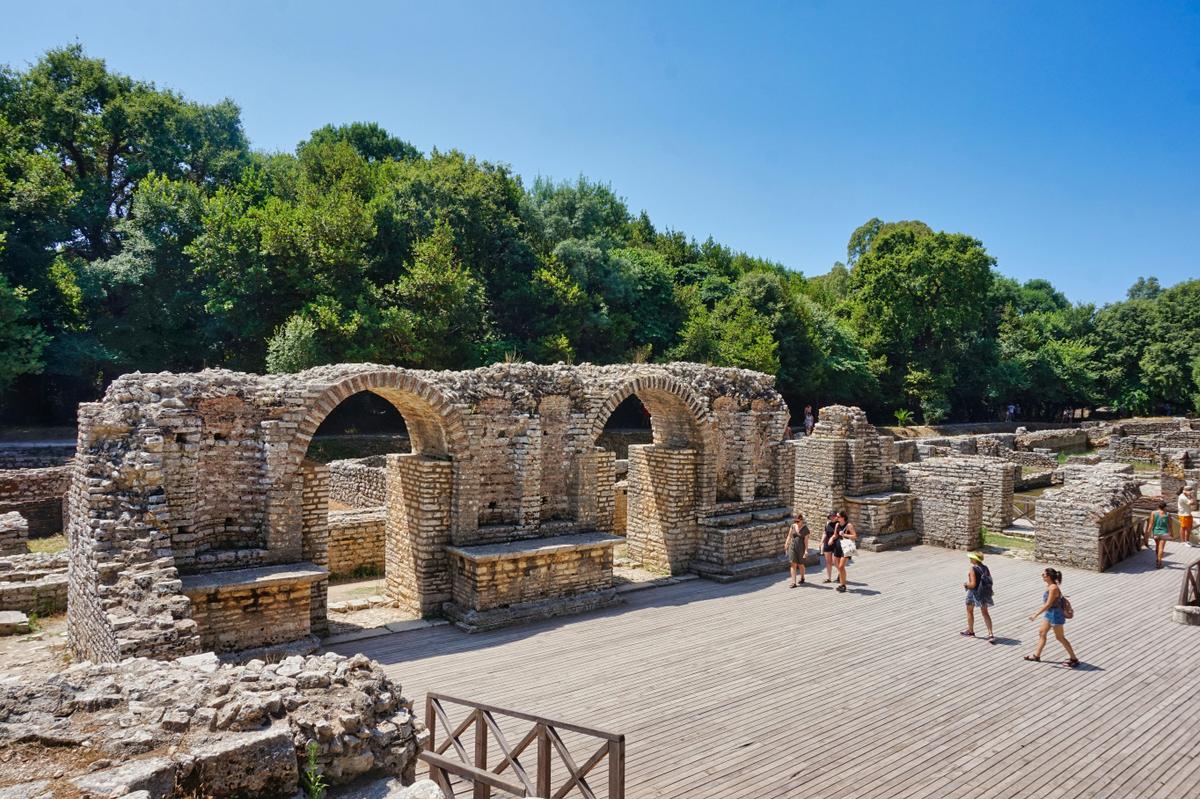
Butrint sits at the southern tip of Albania, where a lagoon system separates the archaeological site from the Ionian coast. The national park surrounding it protects not only the UNESCO-listed ruins — inhabited and developed through successive Greek, Roman, Byzantine, Venetian, and Ottoman periods — but also a wetland ecosystem of considerable ecological value.
The lagoons and surrounding forests support a wide range of bird species, including herons, egrets, and cormorants. The combination of layered human history and functioning natural habitat makes Butrint one of the few places where nature and archaeology genuinely enhance each other rather than compete.
Vjosa River National Park
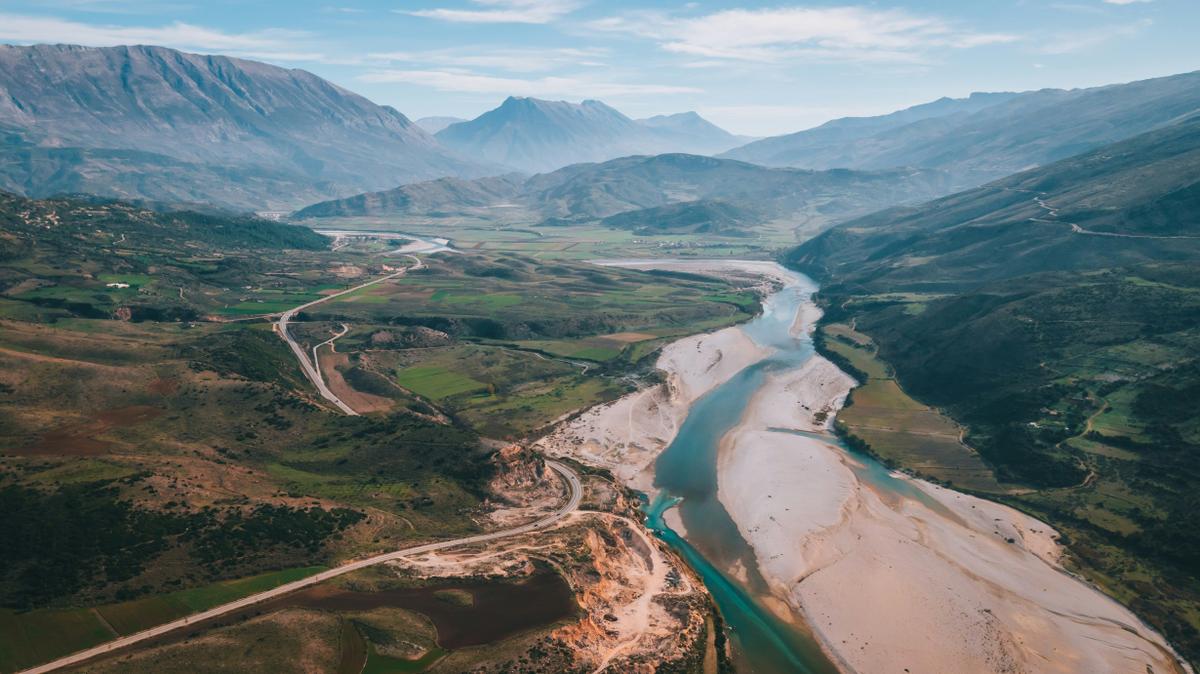
The Vjosa is one of the last large wild rivers in Europe. It flows for around 270 kilometres from its source in the Pindus Mountains of Greece through southern Albania to the Adriatic, largely without dams or major engineering interventions along its Albanian course.
In 2023, Albania declared the entire Albanian stretch of the Vjosa and its tributaries a national park — the first wild river national park in Europe. The river supports a remarkable diversity of fish species, including several species of regional conservation importance, and its gravel banks and floodplain forests provide habitat for birds and mammals that have disappeared from more regulated river systems elsewhere on the continent.
For conservationists, the Vjosa represents something increasingly rare: a large river system still operating close to its natural state.
Rivers, Springs, and Lakes
Albania's inland water landscapes are among the country's least expected surprises. The country sits at the convergence of several major Balkan river systems and contains lakes of exceptional age and ecological significance. For travelers moving through the interior, water is a constant presence — in the turquoise clarity of mountain rivers, the stillness of ancient lakes, and the sudden appearance of springs that emerge directly from limestone rock.
The Blue Eye Spring
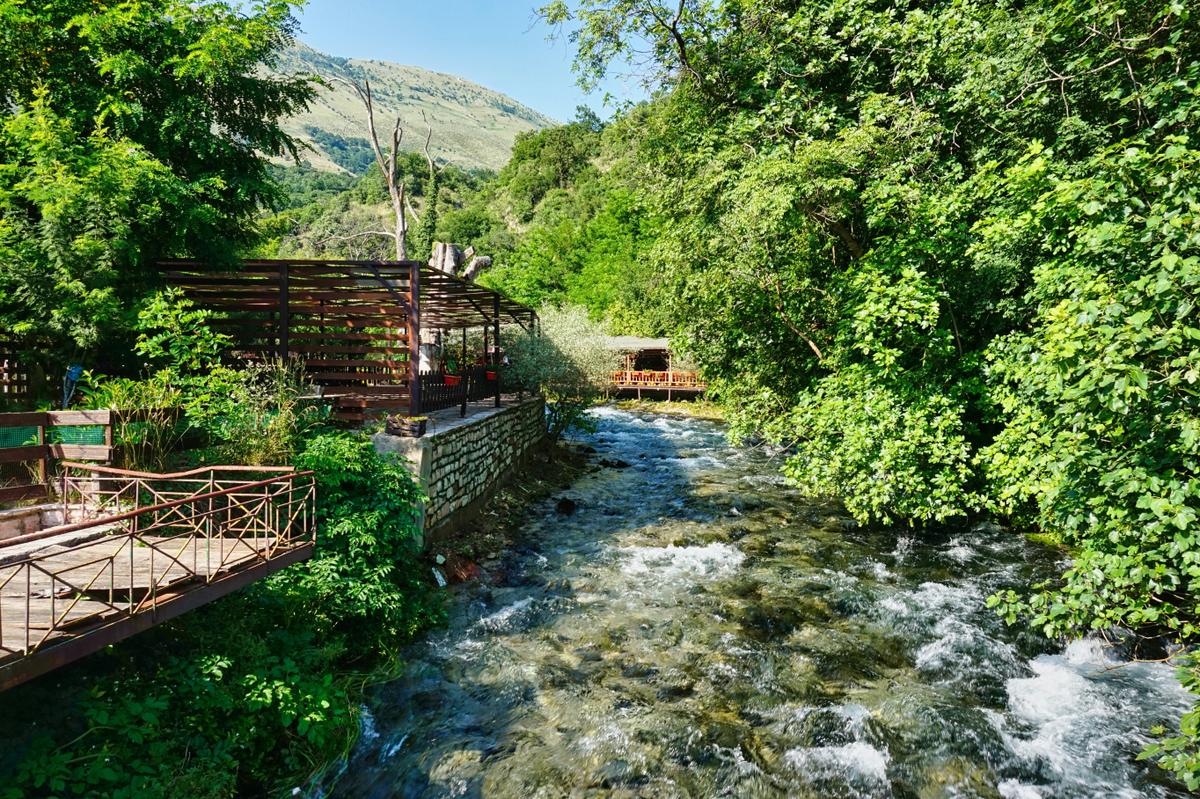
Near the town of Sarandë in southern Albania, the Blue Eye — known locally as Syri i Kaltër — is one of Albania's most recognisable natural landmarks. The spring emerges from an unknown depth through a circular pool of intensely blue water, surrounded by forest and fed by an underground karst system that has never been fully explored.
The water temperature remains around 10°C year-round regardless of the season, and the flow is powerful enough to create a visible upwelling at the centre of the pool. The surrounding area is protected, and the site sits within easy reach of both Gjirokastër and the southern Riviera — making it a natural addition to any itinerary in the region.
Lake Shkodër
Lake Shkodër — shared between Albania and Montenegro — is the largest lake in the Balkans by surface area. It lies between the Accursed Mountains and the Adriatic lowlands, connected to the Adriatic by the Buna River, and its shoreline shifts considerably between seasons depending on water levels.
The lake supports a rich variety of birdlife and is an important habitat for species including pelicans, herons, and cormorants. Compared to the busier Montenegrin shore, the Albanian side of the lake feels noticeably quieter. The waterfront near Shkodër is well suited to slower exploration — on foot or by bicycle — with the Accursed Mountains forming a dramatic backdrop to the north.
Lake Ohrid: Ancient Waters on Albania's Eastern Border
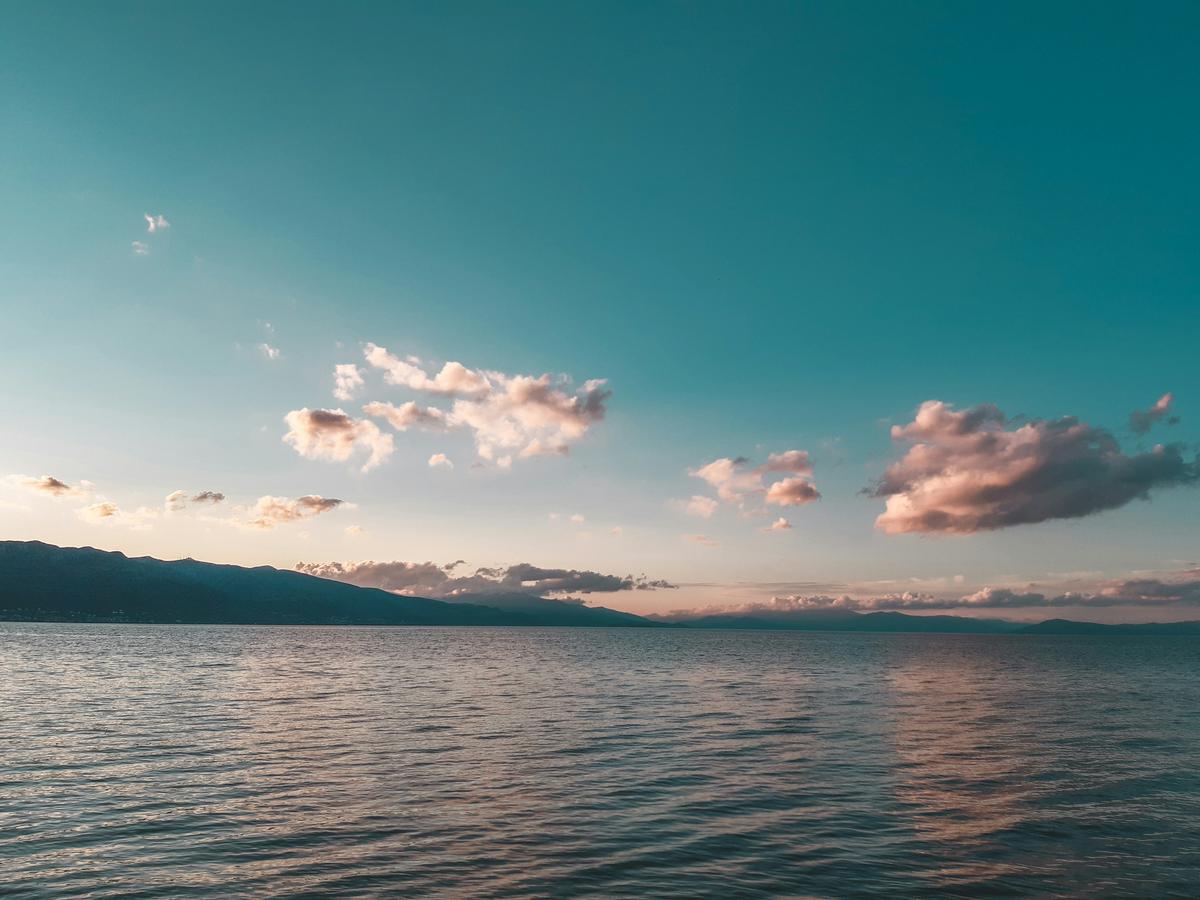
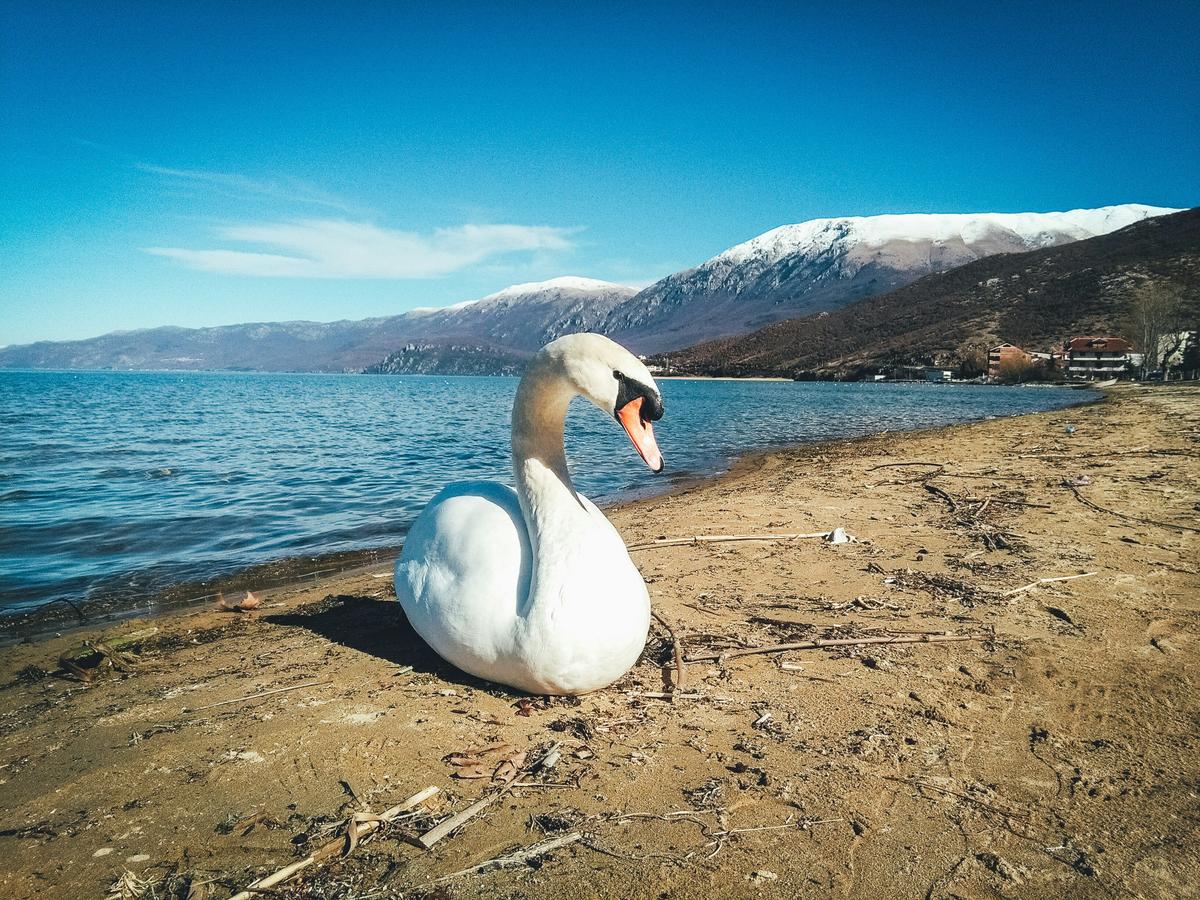
Lake Ohrid sits on the border between Albania and North Macedonia and is one of the oldest and deepest lakes in Europe — estimates suggest it has existed continuously for somewhere between two and three million years. That age has allowed the development of a large number of endemic species found nowhere else on Earth, including endemic fish, snails, and sponges that have evolved in isolation over geological timescales.
The Albanian shore of the lake receives far fewer visitors than the Macedonian side, where the city of Ohrid draws large numbers of tourists each summer. On the Albanian side, the small town of Pogradec offers a quieter entry point to the lake, with views across the water and access to the surrounding hills.
The lake and its surrounding cultural landscape are recognised as a UNESCO World Heritage Site — one of relatively few lakes in the world to hold that designation — in recognition of both its natural and cultural significance.
The Albanian Riviera and the Ionian Coast
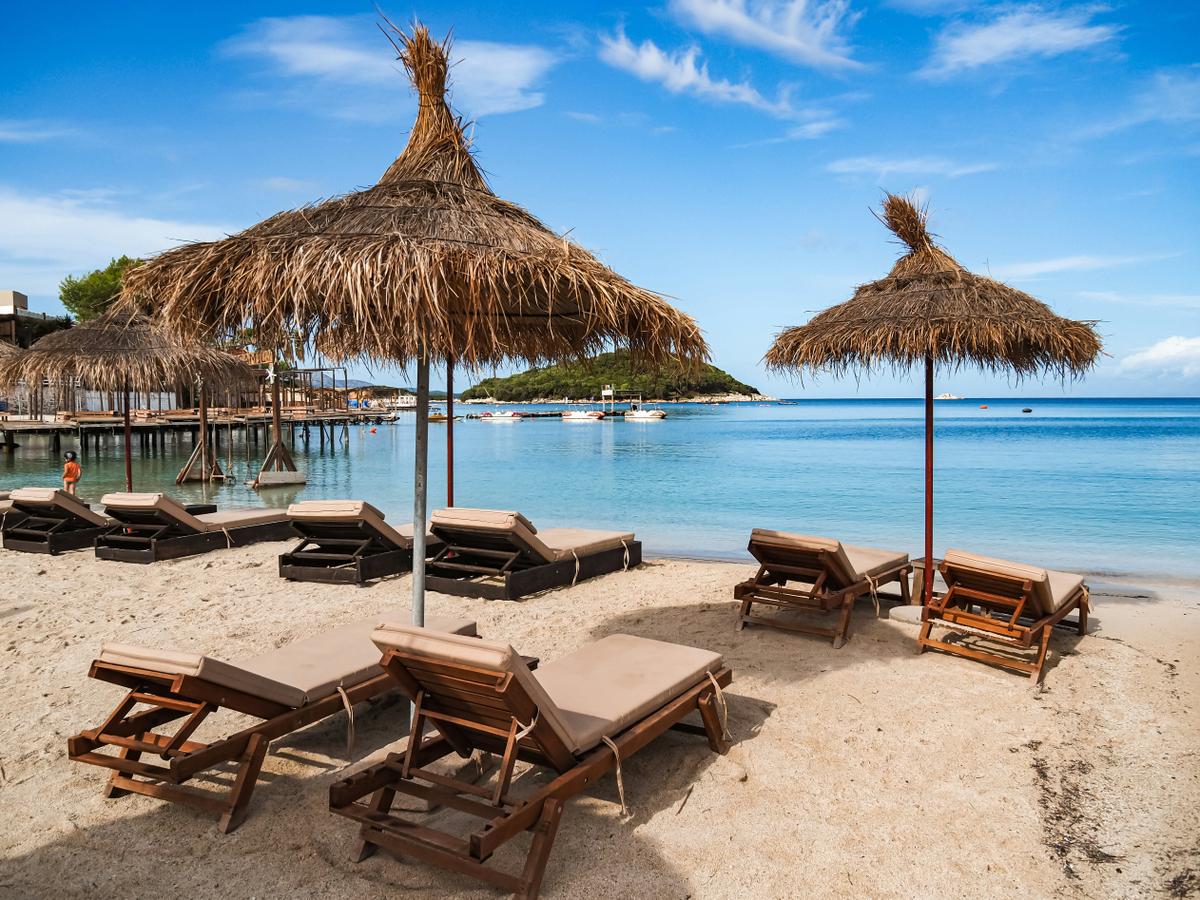
The Albanian Riviera stretches along the country's southwestern edge, where the Ceraunian Mountains meet the Ionian Sea. Despite rapid tourism growth in recent years, large sections of the coastline remain relatively undeveloped by Mediterranean standards. It is a succession of bays, cliffs, and small beach towns where mountain and sea landscapes remain closely intertwined.
The coastline runs roughly from Vlorë in the north to Sarandë in the south, with the mountain road through Llogara National Park marking a natural gateway between the Albanian interior and the sea.
Hidden Coves, Beaches, and Coastal Cliffs
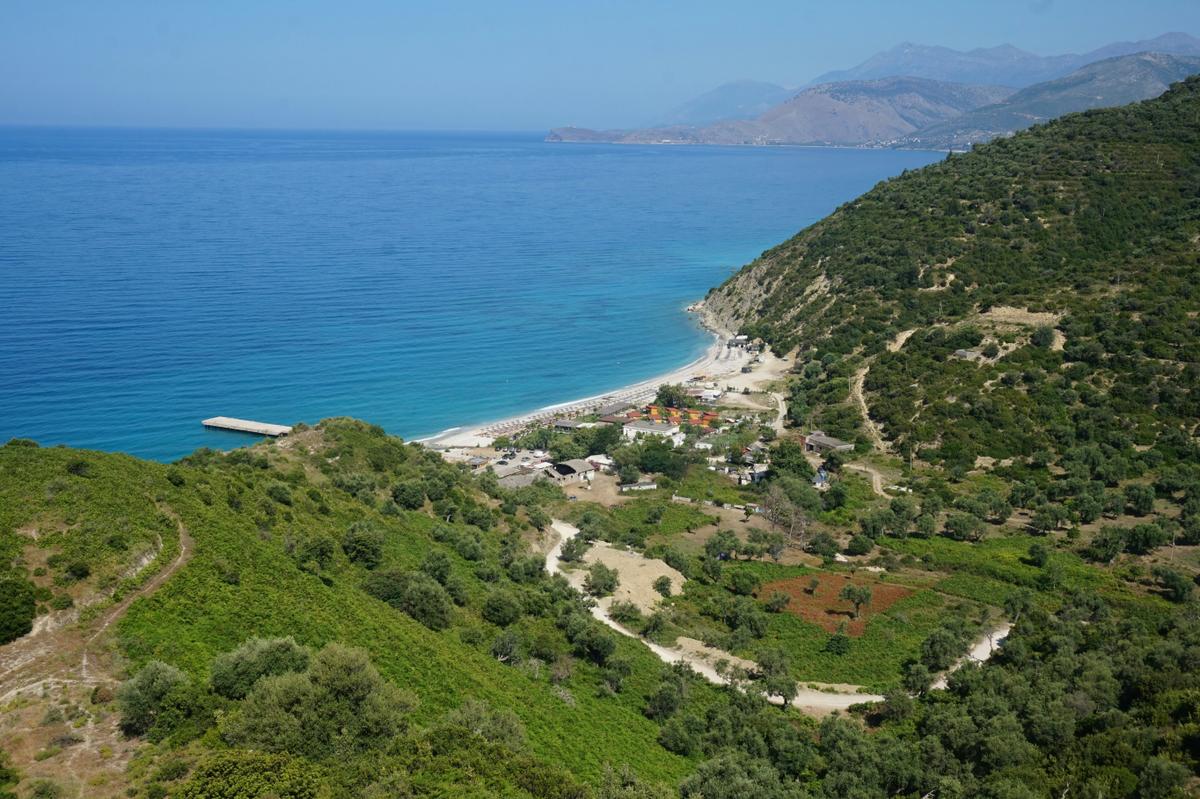
What distinguishes the Albanian Riviera from much of the Mediterranean is the combination of scale and accessibility. In some places, the road winds hundreds of metres above the water before descending to isolated beaches hidden beneath the cliffs — a reminder that this coastline still rewards those willing to go a little further.
Towns such as Himarë, Palasë, and Borsh sit along the coast at intervals, each with its own character. Further south, Ksamil — a small town near Sarandë — is known for its shallow turquoise water and small offshore islands that can be reached by swimming. The area draws significant numbers of visitors in July and August, though outside peak season the pace slows considerably.
The cliffs are one of the defining features of the Riviera landscape. In places, the rock faces rise sharply above narrow beaches, creating an enclosed quality that feels different from the open sandy shores typical of much of the Adriatic. The water clarity along much of the Riviera is exceptional — a product of the rocky seabed, limited river runoff, and relatively low levels of coastal development compared to other parts of the Mediterranean.
Wildlife in Albania
Albania's varied landscapes — alpine, forest, riverine, wetland, and coastal — support a range of wildlife that has largely disappeared from more densely populated parts of Europe. The country sits within one of the continent's most important biodiversity corridors, and its relatively low levels of industrial development have allowed animal populations to persist in areas where they have been lost elsewhere.
Balkan Lynx — Europe's Rarest Cat
The Balkan lynx is one of the most endangered mammals in Europe, with scientists estimating that as few as 20 to 39 individuals may remain across its entire range. Albania, along with North Macedonia and Kosovo, forms part of the core range of this subspecies. The animal is elusive and rarely seen, but camera trap surveys have confirmed its continued presence in parts of northern and eastern Albania, particularly in the Munella region and along the broader Albania–North Macedonia mountain corridor.
Brown Bears and Wolves in the Albanian Alps
Brown bears and wolves are present in the Albanian Alps and surrounding highland areas. Both species continue to survive in parts of northern Albania, benefiting from the region's rugged terrain and relatively low human density. Encounters with either species are uncommon for hikers, but their presence is part of what gives the Albanian mountain ecosystem its ecological integrity.
Golden Eagles and Birds of Prey
The eagle holds deep symbolic significance in Albania — the double-headed eagle on the national flag has been a defining emblem of Albanian identity since the time of Skanderbeg in the fifteenth century. The golden eagle as a species is also present in mountain regions across the country, along with other raptors including peregrine falcons and lesser kestrels. The limestone cliffs of the Riviera and the Albanian Alps provide nesting habitat that supports breeding populations in several regions.
Flamingos and Wetland Birds of the Lagoons
Along Albania's Adriatic coast, a series of coastal lagoons — including the Karavasta Lagoon, one of the most important wetland areas in the Balkans — provide critical habitat for waterbirds. The greater flamingo is a regular presence at Karavasta, along with pelicans, spoonbills, and a range of migratory species that use the Albanian coast as a staging point on their routes between Africa and northern Europe.
The lagoons are among the least visited parts of the Albanian coast, offering a quieter and more wildlife-focused experience than the beaches further south.
When to Visit Albania for Nature
Albania's natural landscapes change dramatically with the seasons, and the best time to visit depends largely on the type of experience you are looking for.
Spring (April – June) is widely considered the most rewarding season for nature travel. Snow melts from the higher passes in May, opening mountain trails and filling rivers to their fullest. Wildflowers cover alpine meadows, migratory birds arrive at coastal lagoons, and temperatures across the country remain comfortable for hiking and exploration. The crowds that characterise July and August are largely absent.
Summer (July – August) is the peak season for the Albanian Riviera. Sea temperatures are ideal for swimming, the Ionian coast is at its most vivid, and long daylight hours allow for full days on the water or in the mountains. Higher elevations remain pleasantly cool even in midsummer, making the Albanian Alps a practical escape from coastal heat. That said, popular beaches and coastal towns see their highest visitor numbers during these months.
Autumn (September – October) offers conditions similar to spring — warm days, quieter trails, and dramatic light that makes the mountain landscapes particularly photogenic. The hiking season in the Albanian Alps typically runs through to the end of October, when the first snowfall begins to close higher passes. Birdwatching along the Adriatic lagoons is especially rewarding in autumn, as migratory species pass through on their southward routes.
Late autumn and winter (November – March) close most high mountain routes and bring heavy snowfall to the Albanian Alps. For nature travelers, however, the season has its own appeal — the Riviera is quiet and mild compared to northern Europe, and wetland areas such as Karavasta Lagoon remain active with wintering waterbirds, including flamingos, which are regularly observed in the lagoon.
For most travelers interested in hiking, wildlife, and landscapes, the period from May to October offers the greatest variety of experiences.
How to Explore Albania's Nature
Albania's natural landscapes vary considerably in how accessible they are. Some of the country's most rewarding destinations — coastal towns along the Riviera, the Blue Eye Spring, or Lake Shkodër — are reachable by car or public transport without significant planning. Others require more preparation.
The Albanian Alps, for example, are best explored on foot. The trails connecting Theth and Valbona are well established, but mountain infrastructure remains basic in places, and conditions can change quickly at higher elevations. Parts of the Vjosa River National Park remain relatively remote and are best explored with local knowledge of the region. Reaching the more secluded stretches of the Karaburun Peninsula requires a boat.
Multi-day routes allow travelers to combine several of Albania's natural zones in a single journey — moving from alpine valleys to river gorges, national parks, and the Ionian coast within the span of a week or two. This kind of itinerary captures the full range of what makes Albanian nature distinctive, but it also requires coordinating transport, accommodation, and logistics across regions that are not always straightforward to navigate independently.
For travelers who prefer to focus on the experience rather than the logistics, guided tours can be a practical way to explore multiple regions in a single trip. Local guides bring knowledge of routes, conditions, and places that are difficult to find independently — and in a country where the best experiences often lie away from the main roads, that local insight makes a considerable difference.
Explore our selection of Albania tours to find itineraries that combine mountains, rivers, national parks, and the coast in a single journey.