
The Balkans are a group of countries in Southeastern Europe, famous for their rich natural and cultural heritage. Shaped by historical influences, including those of the ancient Greeks, the Ottomans, and the more recent legacy of Yugoslavia, the Balkan UNESCO sites are must-visit destinations.
If you are planning a visit to any of these countries, you should absolutely consider adding one of these 10 best Balkan UNESCO World Heritage sites to your itinerary to further enrich your trip.
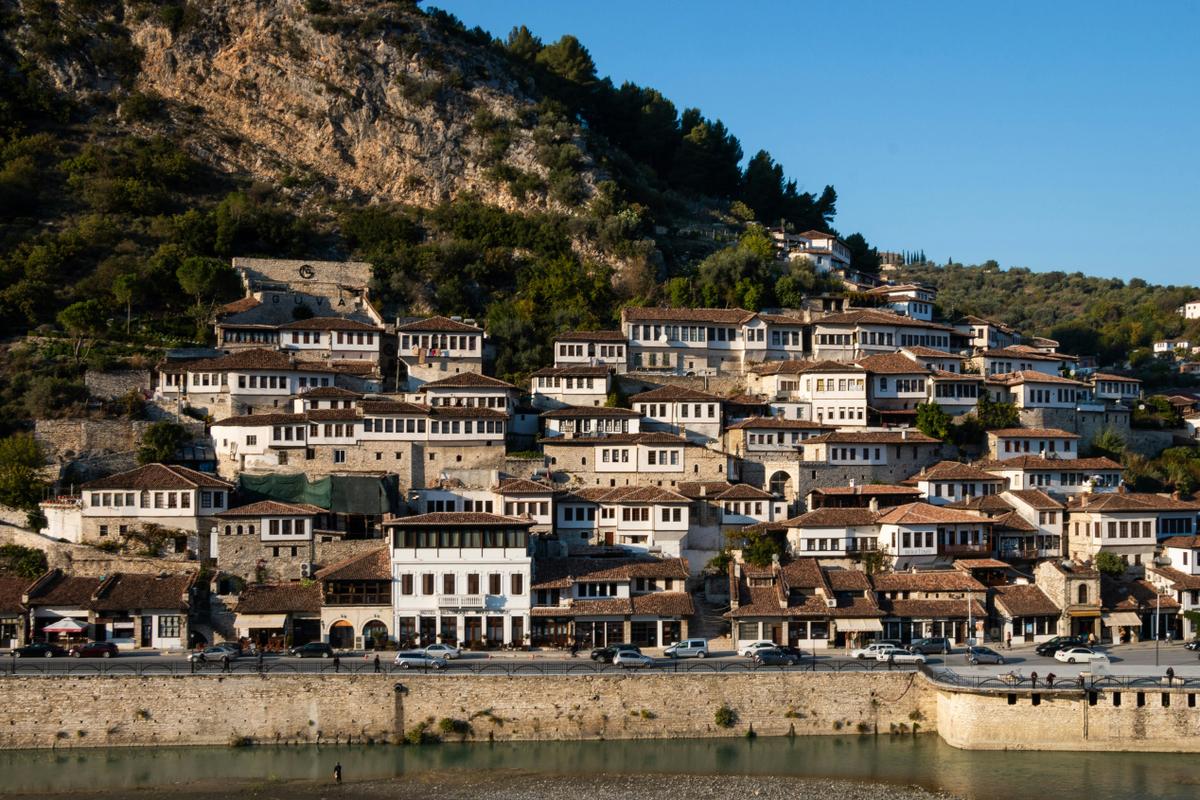
1. Albania – Historic Centres of Berat and Gjirokastër
Berat and Gjirokastër are two fortified towns in Albania, about 93 miles apart, recognized for their well-preserved Ottoman-era architecture. For a break from Albania’s beaches, wander through Berat, known as the “City of a Thousand Windows,” to discover whitewashed structures cascading down the hillsides. Gjirokastër, tucked into the Drino River Valley in southern Albania and also known as the “City of Stone,” is unique for its stone houses and impressive fortress.
Both centers have a rich history and have been influenced by many civilizations, including the Illyrians, ancient Romans, Byzantines, and Ottomans. You can easily reach both towns by car or bus from Tirana — Berat is approximately 120 km (about a 2–2.5-hour drive), and Gjirokastër is about 200 km away (around a 3–3.5-hour drive).
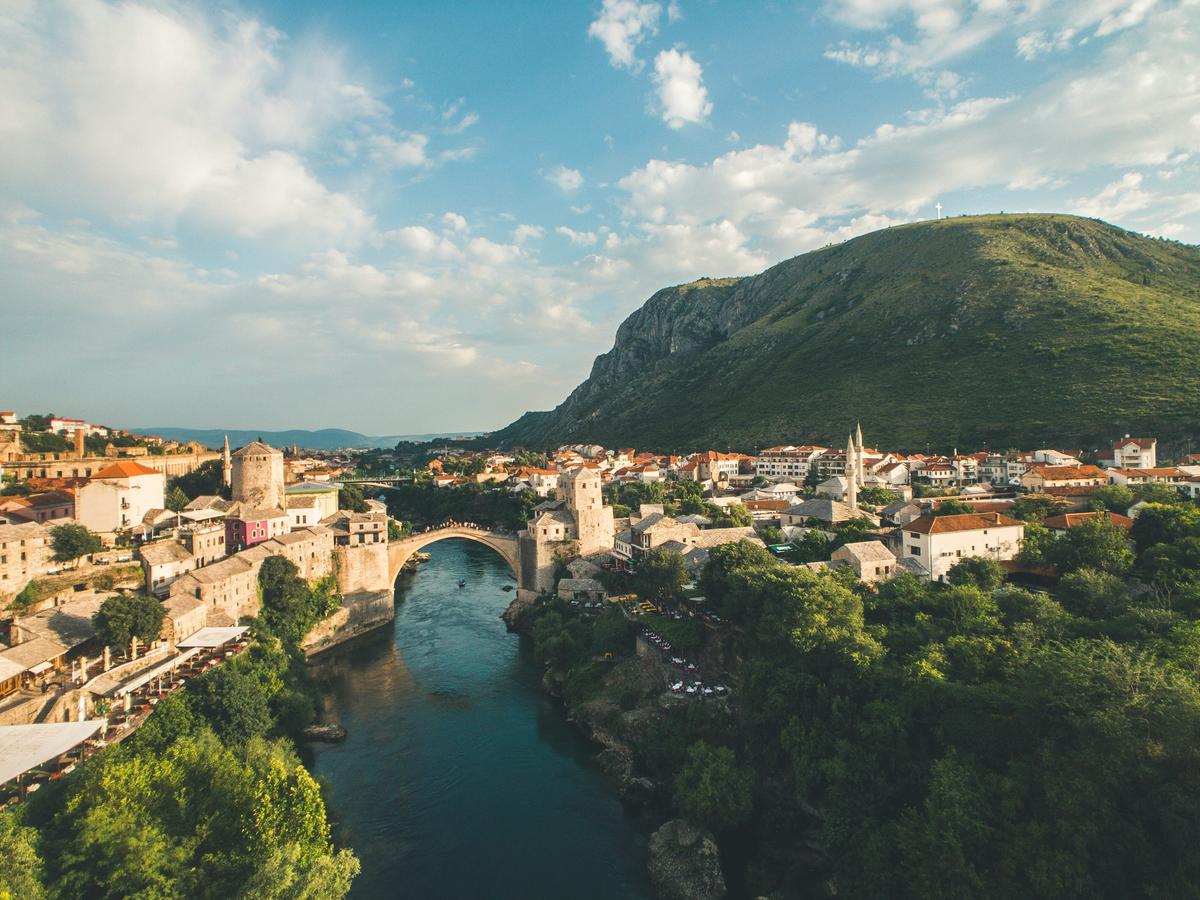
2. Bosnia and Herzegovina – Old Bridge Area of the Old City of Mostar
No visit to Bosnia and Herzegovina is complete without taking photos at the Old Bridge Area of the Old City of Mostar. The town of Mostar, nestled in the Neretva River Valley, was developed in the 15th and 16th centuries under Ottoman rule and further expanded during the Austro-Hungarian period in the 19th and early 20th centuries.
Stroll through the Old Bridge Area to discover a well-preserved example of multicultural architecture that reflects influences from the pre-Ottoman, Eastern Ottoman, Mediterranean, and Western European traditions.Mostar can be visited as a day trip from Dubrovnik or easily reached by bus from Sarajevo.
3. Bulgaria – Rila Monastery
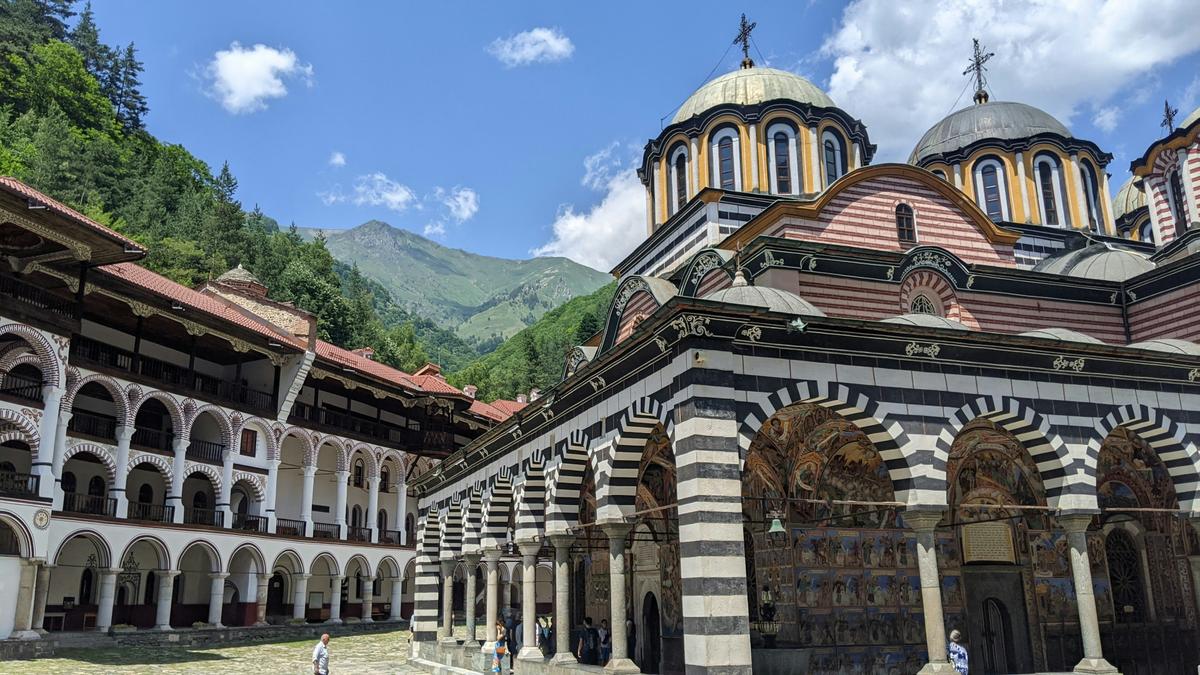
The Monastery of Saint John of Rila, or the Rila Monastery, is a large Eastern Orthodox monastery. Founded in the 10th century by St. John of Rila, the monastery and his tomb became pivotal in the spiritual and social life of medieval Bulgaria. It was burned down in 1833 and rebuilt between 1834 and 1862; today, it stands as a significant symbol of Bulgarian and Eastern Orthodox cultural heritage.
It’s worth a visit for its incredible art and the way it offers a glimpse into monastic life during the medieval period. Look out for the vibrant and colorful interior frescoes (water-based paintings applied to wet plaster) and explore the monastery’s kitchens and cells for an authentic look into the past. Rila Monastery is about a two-hour drive from Sofia and is best reached by car or organized tour.
4. Croatia – Plitvice Lakes National Park
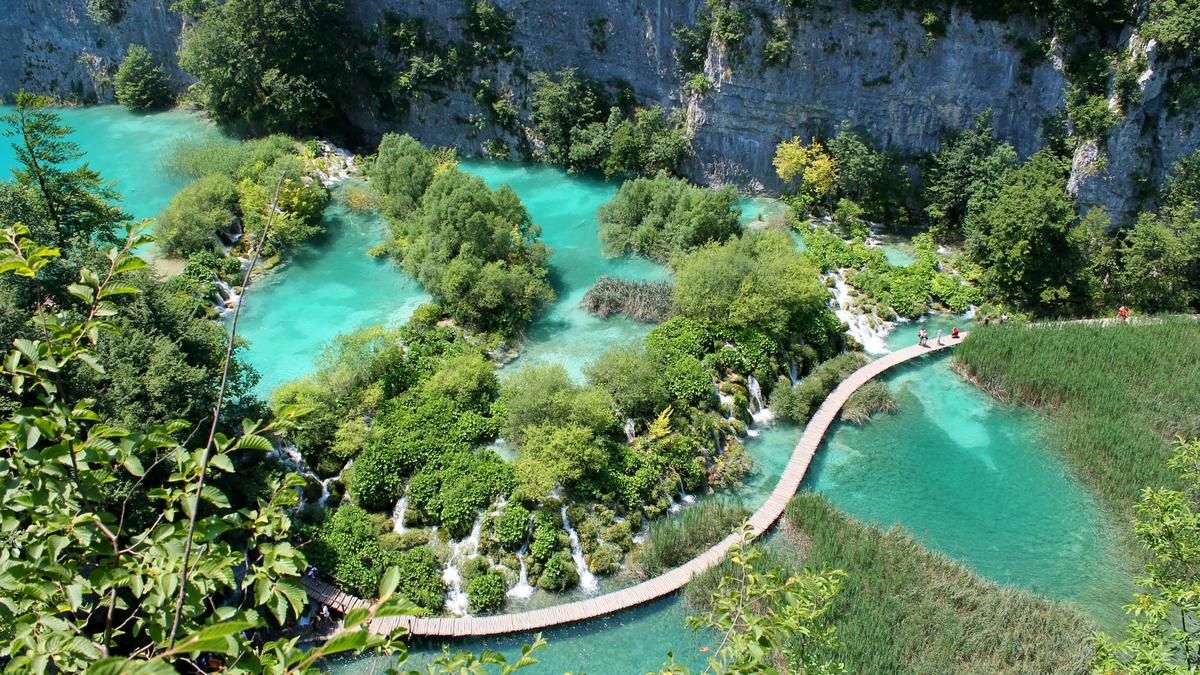
Plitvice Lakes National Park is a large forest reserve in Croatia, famous for its chain of 16 terraced lakes connected by cascading waterfalls. While swimming is prohibited to protect the exceptionally clear emerald waters, the lakes can be explored via numerous hiking trails or by renting a rowboat.
To avoid the crowds, try to arrive at the park as soon as it opens in the morning (usually around 8 a.m., depending on the season). Wear comfortable walking shoes and plan to spend three to five hours exploring the park.
5. Montenegro – Natural and Culturo-Historical Region of Kotor
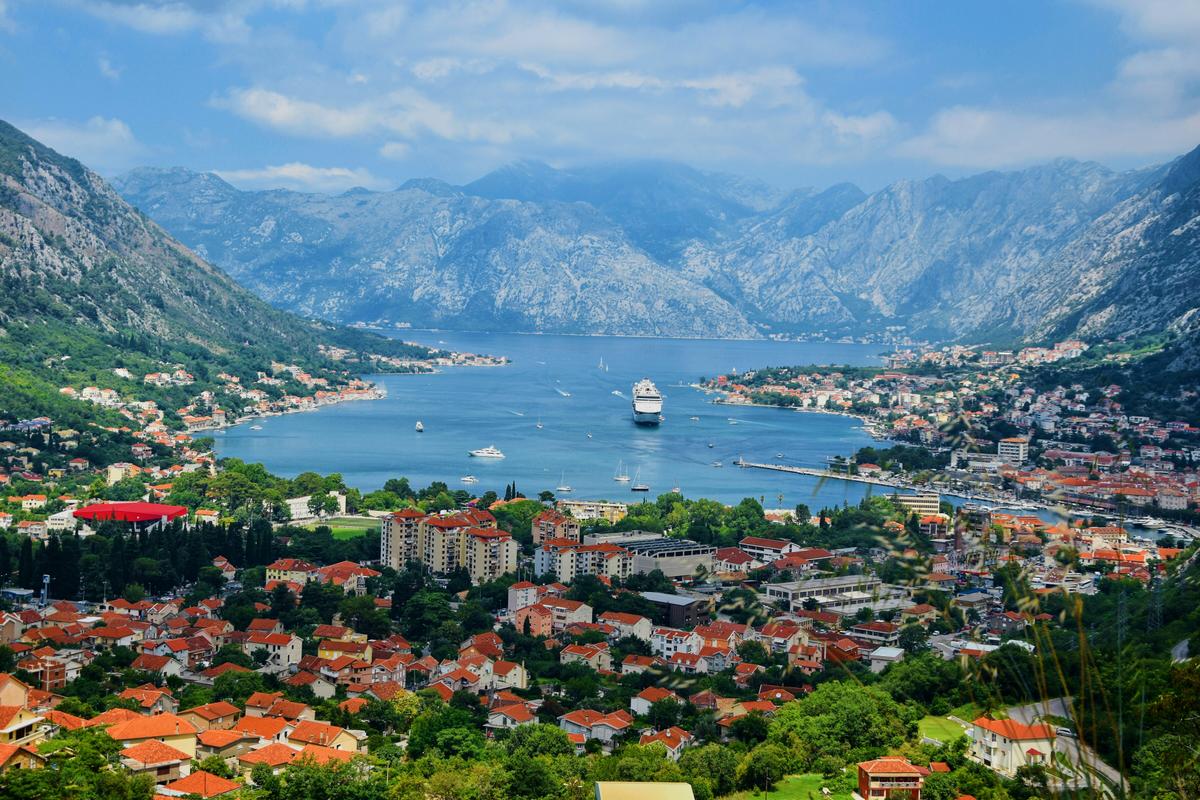
The Natural and Cultural-Historical Region of Kotor stretches across the Bay of Kotor in Montenegro, overlooking the sparkling Adriatic Sea. It encompasses the old town of Kotor, the fortifications of Kotor, and the surrounding bay. Kotor is worth a visit for its smaller crowds compared to neighboring coastal cities such as Dubrovnik, its sunny weather, and its charming medieval Old Town.
Joining a walking tour is a great way to explore the town, surrounded by dramatic mountain scenery, where you can discover narrow streets, as well as cathedrals and churches featuring Romanesque, Byzantine, Gothic, and Renaissance influences. Kotor can be easily reached by bus from Dubrovnik, with the journey taking about two to two and a half hours.
6. North Macedonia – Ohrid Region
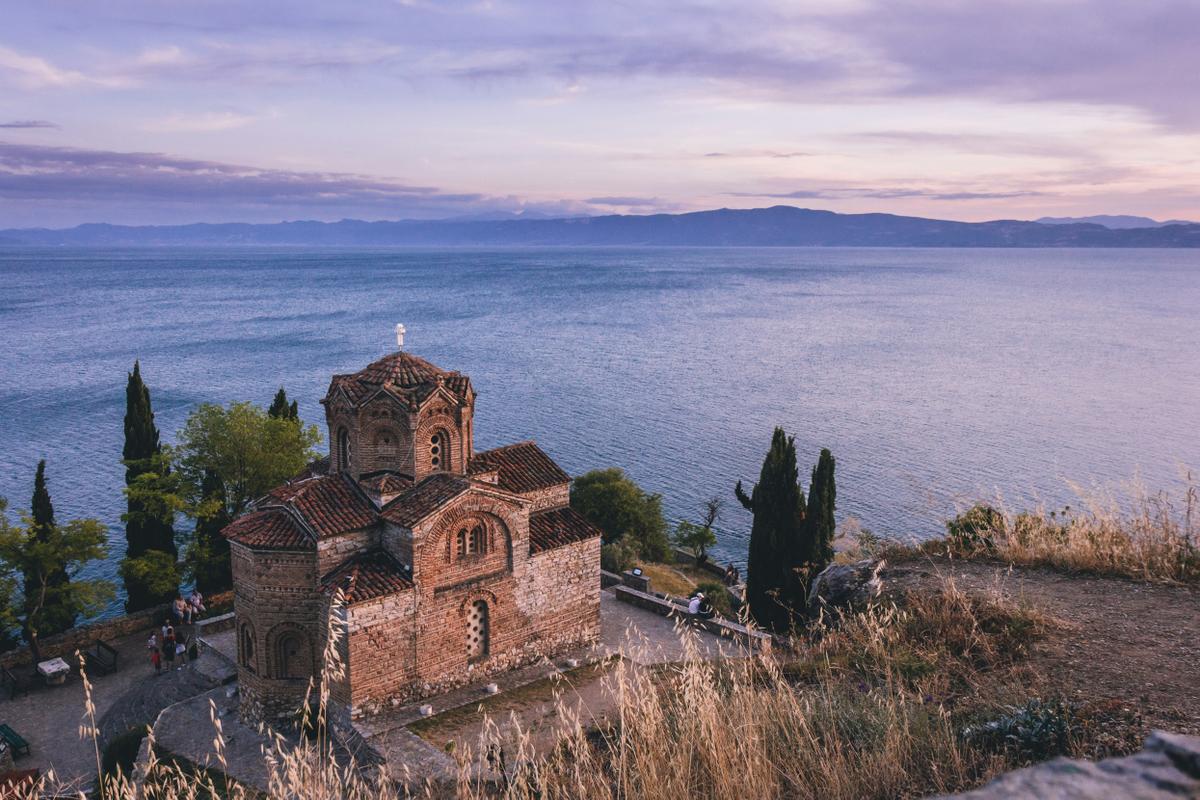
The Ohrid Region is a mixed cultural and natural World Heritage site that includes the ancient town of Ohrid and nearby Lake Ohrid, one of the oldest lakes in Europe. The town of Ohrid developed along the shores of the lake between the 7th and 19th centuries and is home to an ancient Slavic monastery and numerous Byzantine-style artifacts dating from the 11th to 14th centuries. There are even prehistoric ruins in the shallow waters near the lake’s shores.
Jump into the lake from the wooden docks, swim among gentle fish, stroll along the beaches, and visit the reconstructed prehistoric settlement known as the Bay of Bones.
7. Romania – Danube Delta
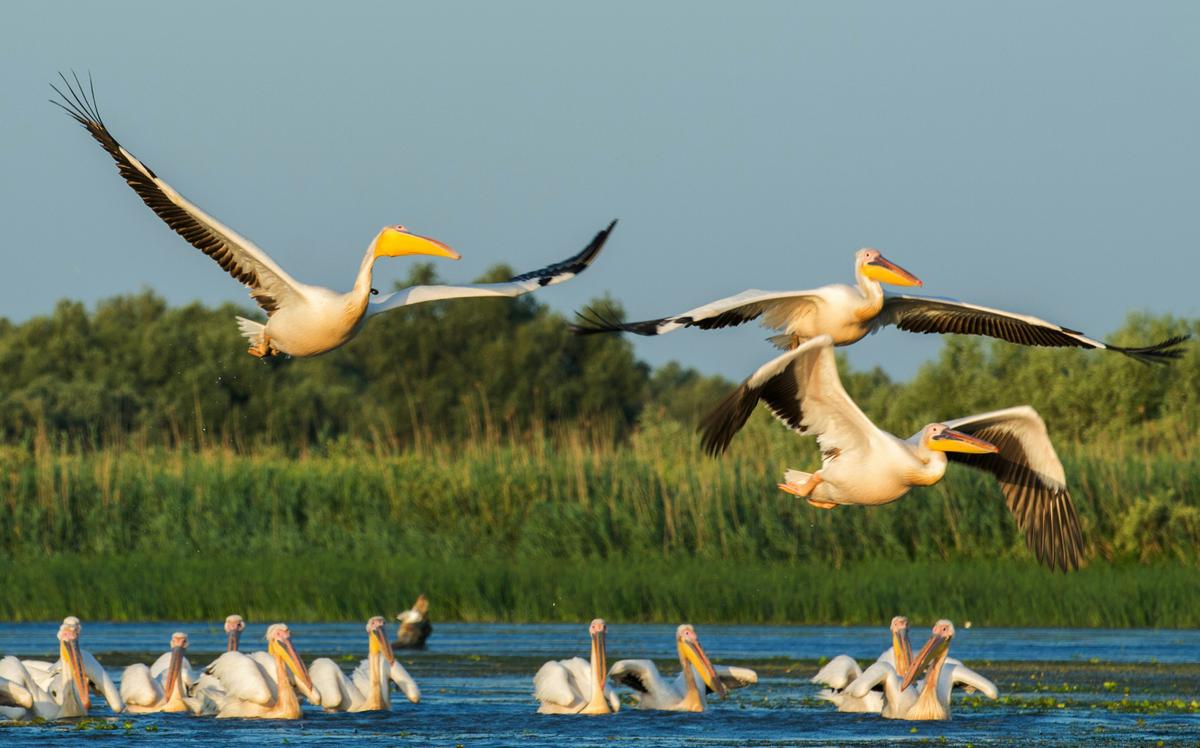
The Danube Delta in Romania is formed by the Danube River, which begins in Germany’s Black Forest and empties into the Black Sea. It is also a UNESCO Biosphere Reserve and a haven for more than 300 resident and migratory bird species. The 2,200 square miles of rivers, canals, marshes, and tree-fringed lakes are a true paradise for bird enthusiasts.
Visitors can spot pelicans, whiskered terns, and white-tailed eagles, and explore unforgettable forested wetlands. Small, slow boats operated by licensed guides are the best way to navigate the narrow canals. May to September is the best time of year to visit, with August and September considered peak season thanks to the abundance of bird activity as flocks prepare for migration.
8. Serbia – Studenica Monastery
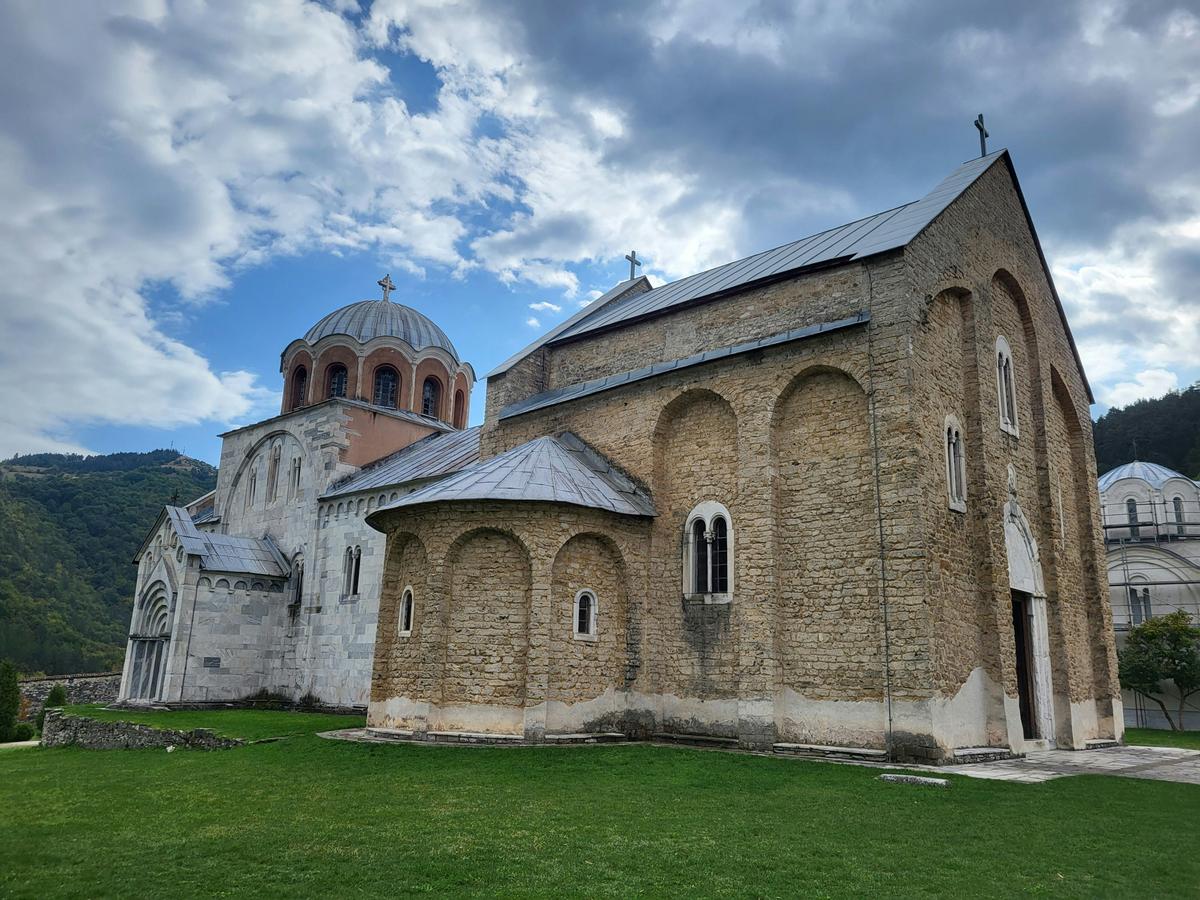
Studenica Monastery in Serbia is a 12th-century Orthodox monastery founded by Stefan Nemanja at the age of 70 as his memorial. Stefan Nemanja is considered the founder of the medieval Serbian state. The monastery is surrounded by tranquil auburn hills, pine groves, and forests, and embodies the quietude of monastic life.
A visit to the Studenica Monastery offers an authentic experience of Serbia’s cultural heritage through literature, spirituality, and art. Its interior walls are covered in vibrant frescoes depicting religious scenes, and the main church is constructed of white and gray marble.
There are about two buses a day to Studenica Monastery from the town of Kraljevo, so it may be easier to join a guided tour. You can also stay overnight at the adjoining pilgrims’ hotel.
9. Slovenia – Škocjan Caves
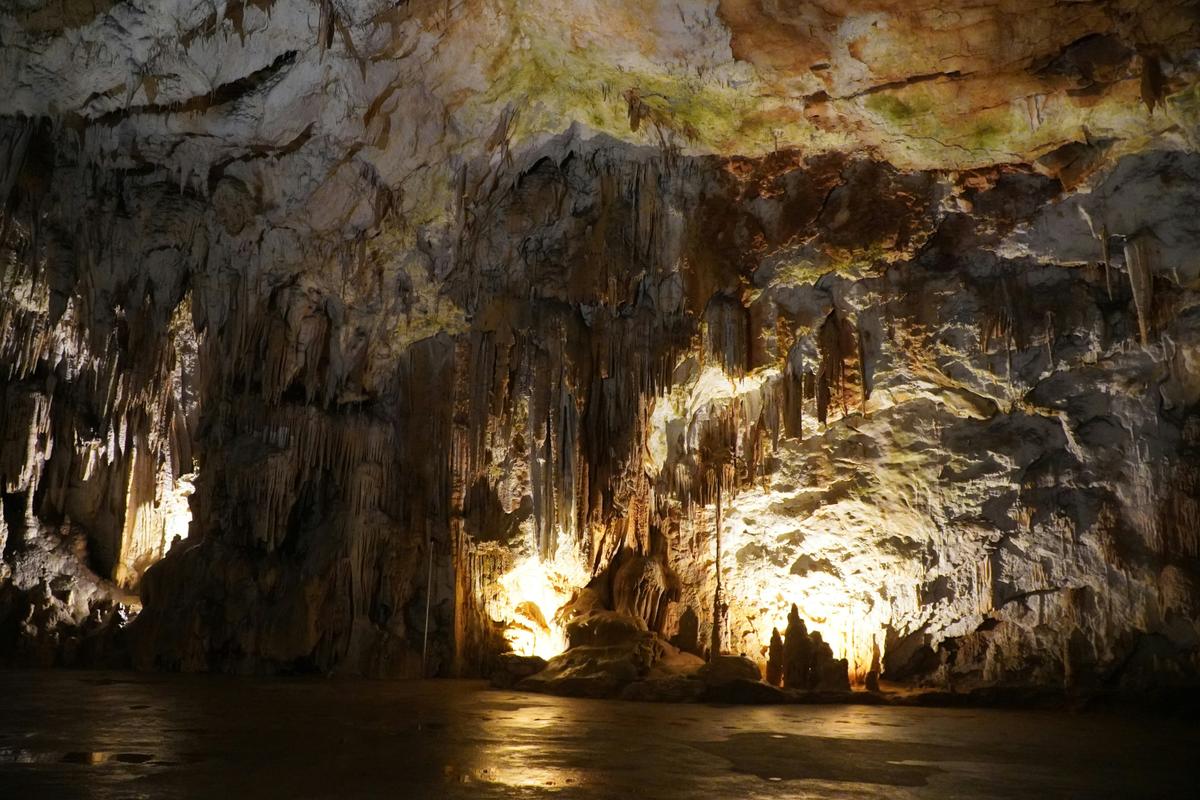
The Škocjan Caves in Slovenia are a system of limestone caves and underground passages that include numerous waterfalls and chambers. The underground cavern is so deep that you can hardly see the bottom. Crossing the narrow bridge over the abyss is a thrilling experience, as you can hear the rush of the river far below.
Featuring stalactites, stalagmites, and one of Europe’s largest underground canyons, this cave system offers an exhilarating experience for thrill-seekers and nature lovers. You must book a guided tour to visit the caves. Be sure to wear sneakers with good traction and be prepared for many underground stairs.
10. Greece – Meteora Monasteries
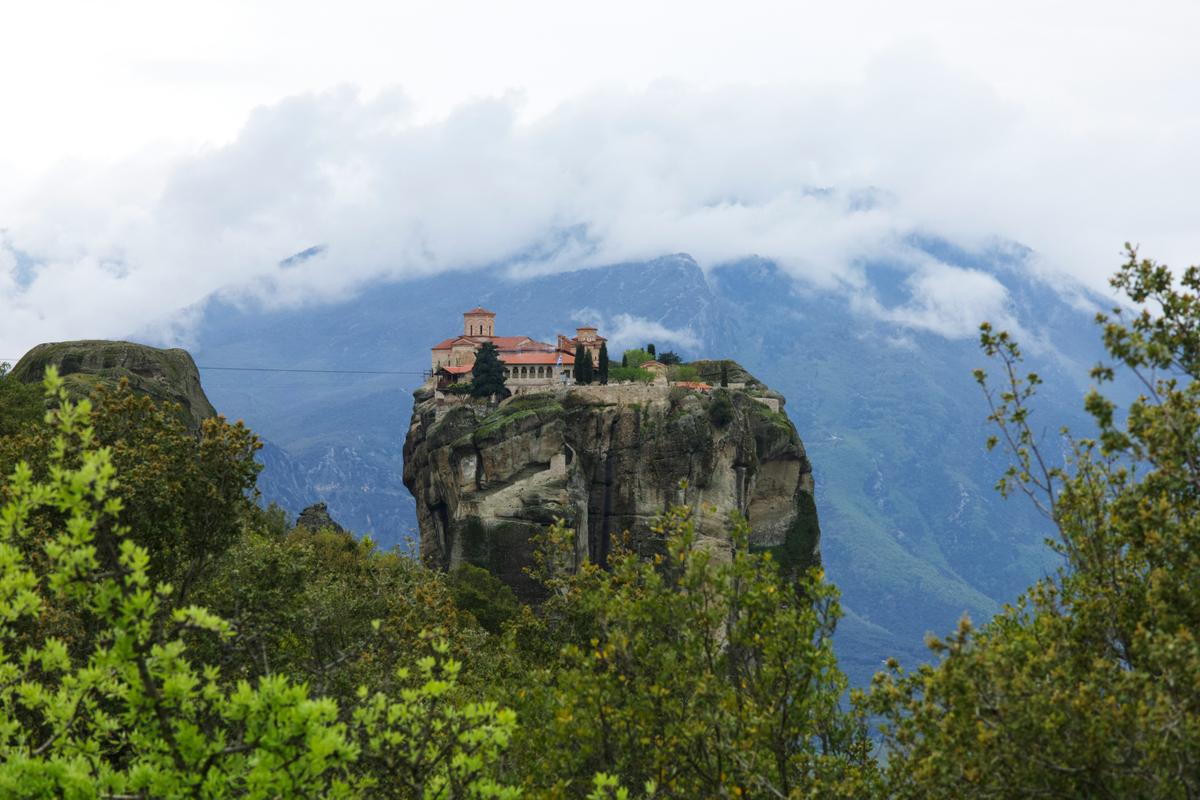
Meteora is a unique rock formation complex in northwestern Greece, hosting a series of Eastern Orthodox monasteries. The Byzantine monasteries are perched on these sheer rocks, protecting artifacts and wall paintings.
Only six of the monasteries are still active today, and each has its own unique heritage and history. For example, the Holy Monastery of Great Meteoron was founded around 1340 by Saint Athanasius of Meteora. Today, the monastery is the most visited by tourists and is considered a true bastion of Orthodox monastic life. It also features a small ossuary that preserves the remains of monks from past centuries.
Be sure to check the opening hours, as they vary depending on the season. For example, the Holy Monastery of Great Meteoron is closed on Tuesdays during the summer. Dress modestly, wear comfortable walking shoes, and bring cash for entrance fees.
Why UNESCO Sites in the Balkans Are Special
UNESCO sites in the Balkans are special because of their incredible diversity. Whether you prefer nature reserves, historical and cultural ruins, or both, there is always an unforgettable and unique heritage site to discover in this region of Europe.
Thanks to its rich history, a variety of civilizations and religions have touched and shaped the Balkan region, offering travelers a wealth of stories and legends.
Furthermore, all Balkan countries are relatively small, and towns are often close together, making it easy to visit multiple countries and UNESCO sites in a single trip.
The Balkans: A Melting Pot of Rich Culture and Natural Wonder
The Balkan countries are visited year-round by all kinds of travelers for their rich UNESCO heritage and unique blend of cultural and natural attractions. The region teems with visitors during the summer, including many young backpackers. However, the region still retains its sunny charm, with fewer crowds during the shoulder seasons from April to early June and from September to October. Consider this your sign to start planning your next trip to the Balkans.
Ready to explore the Balkans’ UNESCO treasures? Explore our tours and start planning your journey today with Balkan Tours Club.