
There are endless things to do in the Balkans depending on your preferences, from historical ruins to narrow cobblestone towns, to sparkling beaches. If you are an adventurer seeking unique landscapes, outdoor activities, a lover of culture and food, or simply visiting the Balkans for the first time, we hope that these 10 reasons will convince you to visit this unmatched region of Europe.
1. Unmatched Cultural Diversity
The Balkans are a true blend of cultures, languages, and religions, all of which reflect the history and influence of different empires and rulers across the centuries. The region has seen a mosaic of western and eastern influences throughout history, including the ancient Greeks, Romans, Byzantines, Ottomans, and Austro-Hungarians. Many empires have risen and fallen.
In more recent history, the region was a part of the formation and disassembly of Yugoslavia in the 20th century, which contributed greatly to the rich tapestry of culture. The Balkans teems with religions as well, including Eastern Orthodoxy, Roman Catholicism and Islam, introduced during Ottoman rule, which straddles the European and Asian continents. Visitors to the Balkans are treated to an extraordinary blend of cultures and traditions.
2. Breathtaking Landscapes
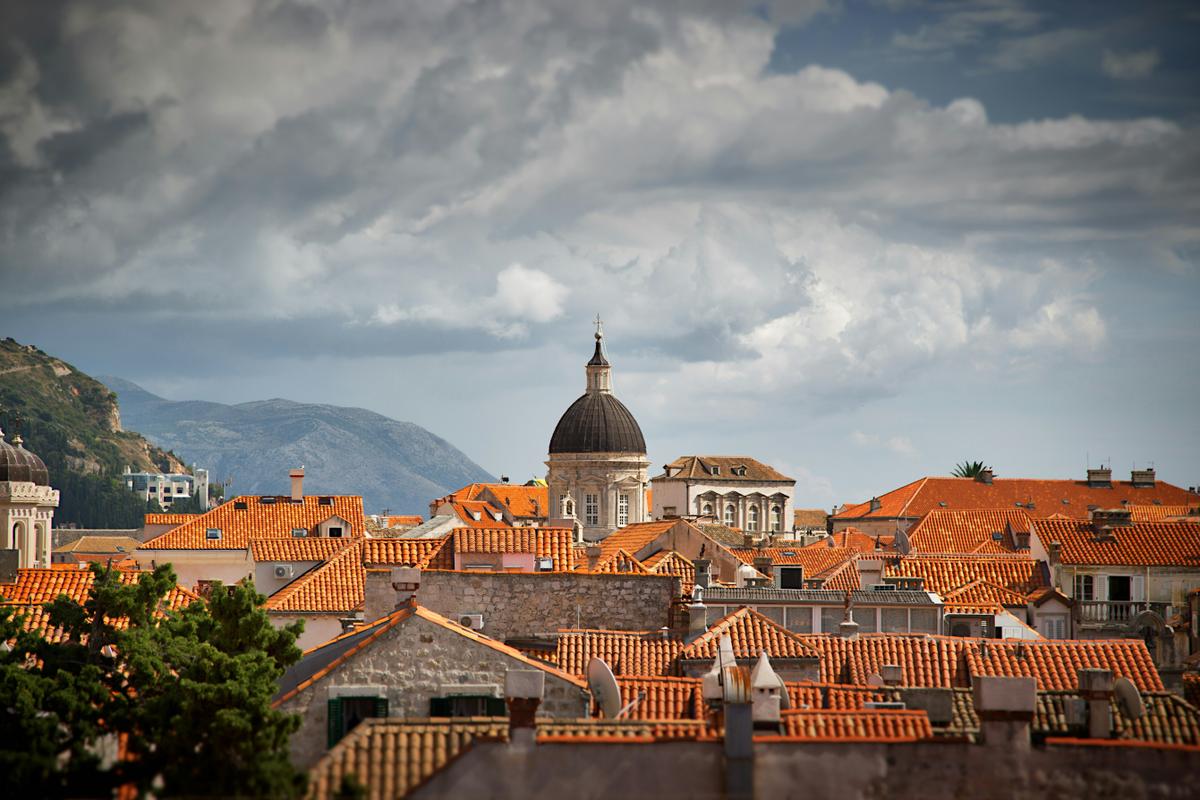
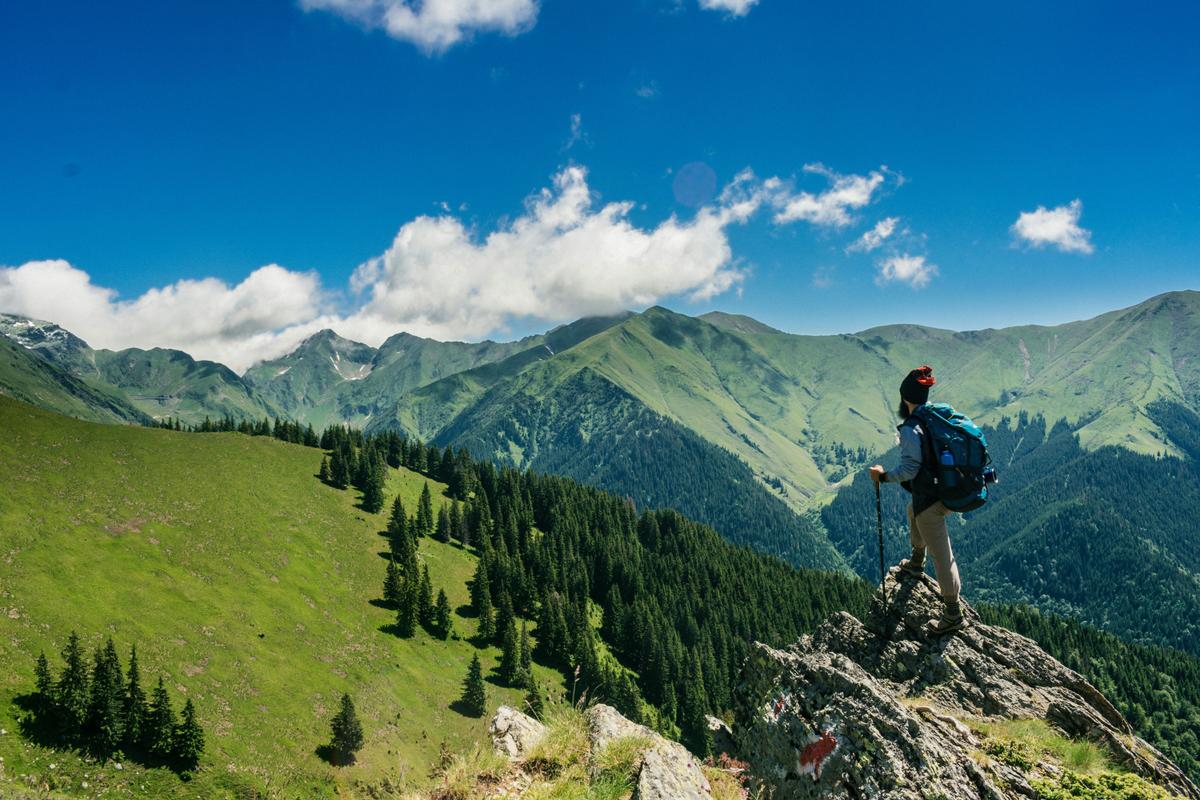
The Balkans are rich in natural beauty, a true haven for any lover of the outdoors and adventure. It is home to enchanting mountains, serene lakes, dense forests, and rugged coastlines with sparkling warm water to swim in. There are lots of Balkan attractions that are well worth exploring such as the Plitvice Lakes in Croatia, the Accursed Mountains stretching across Albania, Kosovo, and Montenegro, and North Macedonia’s tranquil Lake Ohrid. The Danube River also cleaves through some of the Balkan countries. Whether you like hiking, swimming, sitting lakeside for a picnic, or exploring the ancient forests, there is plenty to see in the Balkans.
3. Rich History and Heritage
The Balkans boast a deep and ancient history. Archaeological evidence of early human activity, such as stone tools dated to 1.4–1.6 million years ago, has been uncovered in Bulgaria’s Kozarnika Cave, marking the Balkans as a key gateway for human migration into Europe. The region was also among the first in Europe to adopt farming during the Neolithic, with sites like Serbia’s Vinča culture revealing advanced prehistoric settlements. Ancient civilizations, including Greeks, Macedonians, Romans, and later Slavic peoples, shaped the region’s early history, leaving behind remarkable archaeological sites.
The Ottoman Empire, which ruled much of the Balkans from the 14th to the 19th centuries, left a profound architectural and cultural legacy. Medieval kingdoms, such as the Bulgarian and Serbian Empires and the Croatian-Hungarian union, added fortresses, churches, and traditions to the region’s heritage.
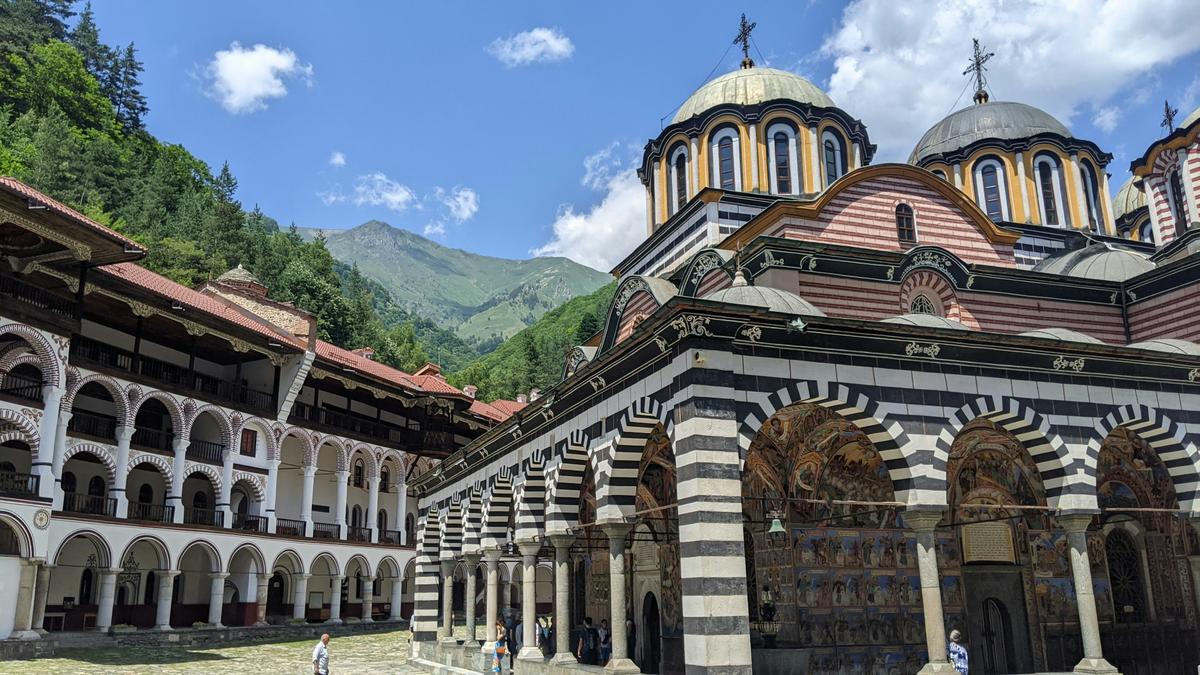
For history lovers, the Balkans offer a treasure trove of ruins, churches, legends, and figures to discover. Explore Roman ruins like Serbia’s Felix Romuliana, Ottoman mosques in Bosnia, or medieval monasteries such as Bulgaria’s Rila Monastery, and learn about the people and rulers who shaped this vibrant region.
4. Affordable Travel
The Balkans are a hub for young backpackers and budget-conscious travelers thanks to the lower costs in the region compared to Western Europe. While the area has become busier in recent years, prices of accommodation, particularly hostels, haven’t quite caught up to cities such as Paris and London.
If you are seeking a more budget-friendly region to travel in Europe, the Balkans are a great choice.
5. Vibrant Food Culture
Foodies, listen up! The Balkans are the place to be for a vibrant food scene. Exploring the local markets and indulging in traditional Balkan dishes is reason enough to visit this region.
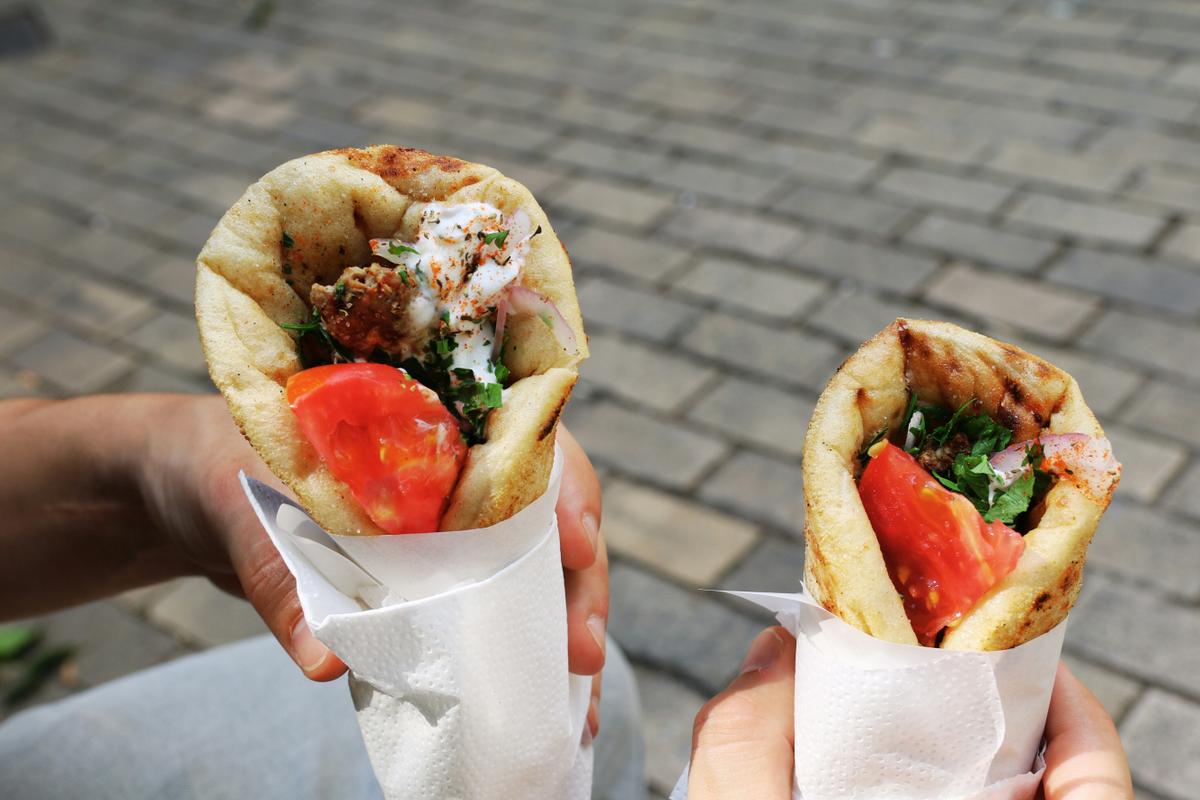
Thanks to the Ottoman Empire, the region has inherited culinary influences from Turkish dishes such as the baklava and sarma, and Bosnian coffee, which is similar to Turkish coffee. Be sure to also try the Austro-Hungarian dishes such as the schnitzel and goulash. There are also plenty of unique seafood dishes to try, such as the black risotto of Croatia (made with squid ink). And don’t forget to try the famous and indulgent gyros in Greece! Imagine fries and kebab meat wrapped in a pita with lettuce, tomato, and fresh tzatziki—the smell of salty fries and fresh tzatziki is unmatched after a swim!
6. Warm Hospitality
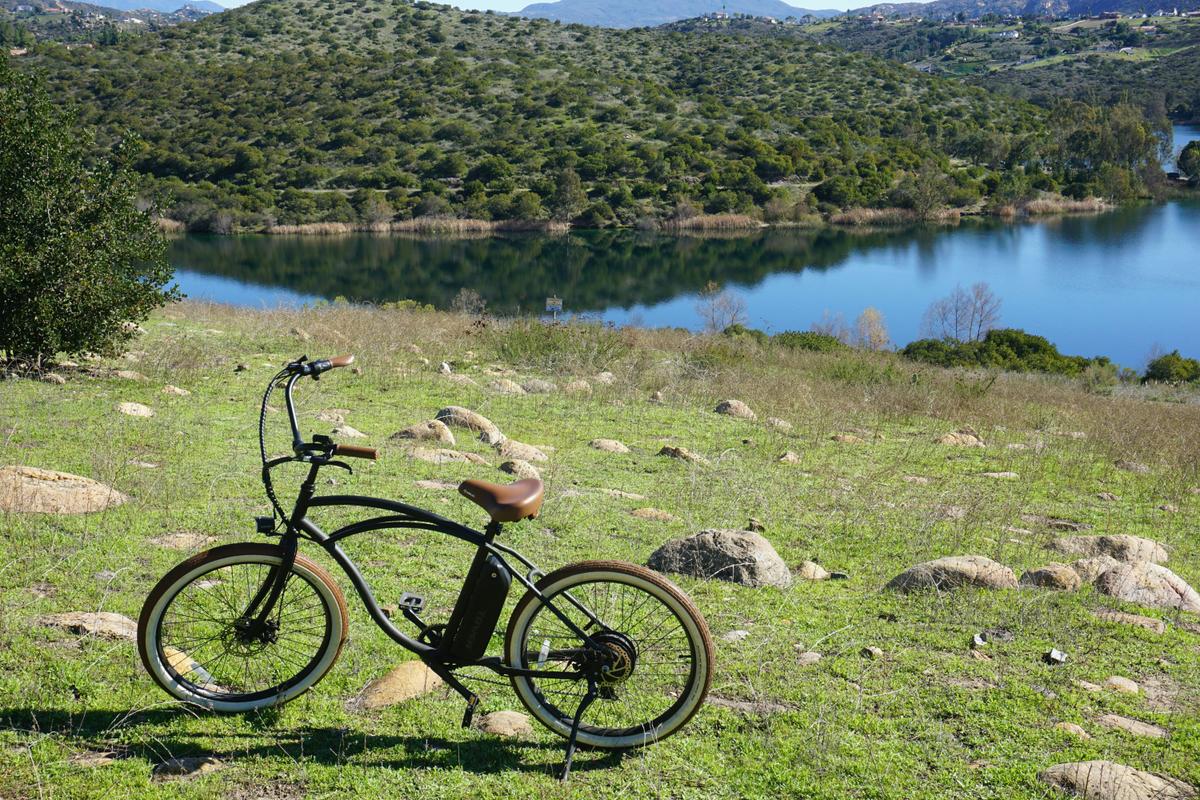
The Balkan region is home to friendly locals and warm, welcoming hospitality. Cycling, hiking, and horse-riding tours are a wonderful way to explore the multifaceted nature of each of the Balkan countries, particularly local farmers and agriculturalists. Locals have been known to offer travelers homemade meals, coffee, and rakija (fruit brandy) in Serbia and Bosnia and Herzegovina. This welcoming hospitality makes for a special and memorable experience of the region.
7. Adventure Opportunities
The Balkan region offers an abundance of adventure activities. Cycle through the lush trails of Plitvice Lakes National Park in Croatia and enjoy its stunning views. Try a multi-day trek through the rugged Peaks of the Balkans in Albania and Montenegro. Sail along the sparkling Dalmatian Coast, breathing in the salty air, and swimming in the Adriatic Sea, where the water is deep blue and warm, especially in the summer season. Explore the historical sites such as Mostar and Sarajevo. You can also cycle the Ciro Trail in Bosnia and Herzegovina.
There are plenty of things to do, depending on your style, that you will find an adventure in the Balkans perfect for you.
8. Year-Round Destinations
The Balkans can be enjoyed throughout the year, and each season offers its unique charm. Summer is perfect for the beaches, where the water is warm, and the seaside towns are alive with energy. Winter offers snow sports such as skiing and snowboarding in mountain ranges such as the Pirin and Rila mountains, particularly Kopaonik in Serbia, Jahorina in Bosnia and Herzegovina, and Bansko in Bulgaria.
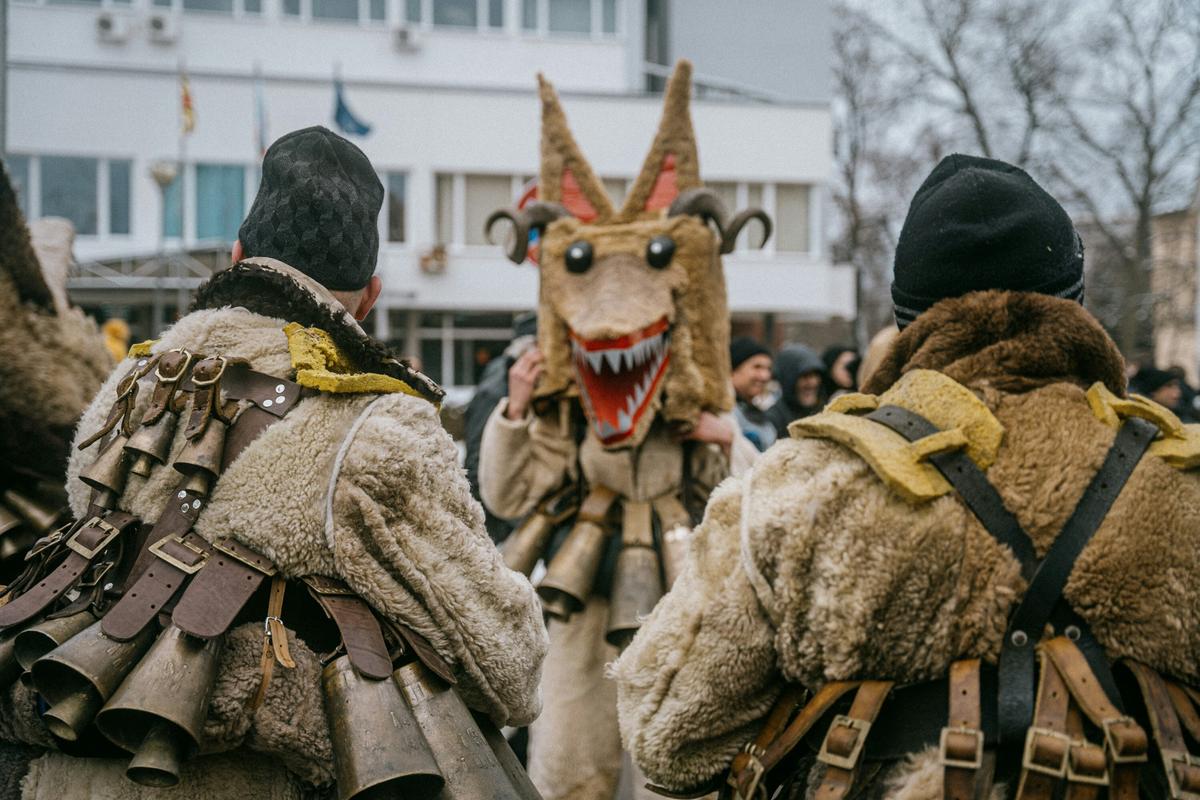
Spring and autumn are ideal for visiting Bulgaria, with lively festivals and fewer crowds. For example, the “Kukeri” festival is an ancient Bulgarian ritual where men dress in elaborate costumes and masks to scare away evil spirits and ensure a good harvest. The streets become a cacophony of song, dance, bells, and masked people wearing colorful costumes as they parade.
9. Hidden Villages and Untouched Nature
Many villages in the Balkans are largely untouched by flocks of tourists. One of the great joys of visiting the Balkans is exploring the towns and hidden villages, where it truly feels like you have been whisked back in time.
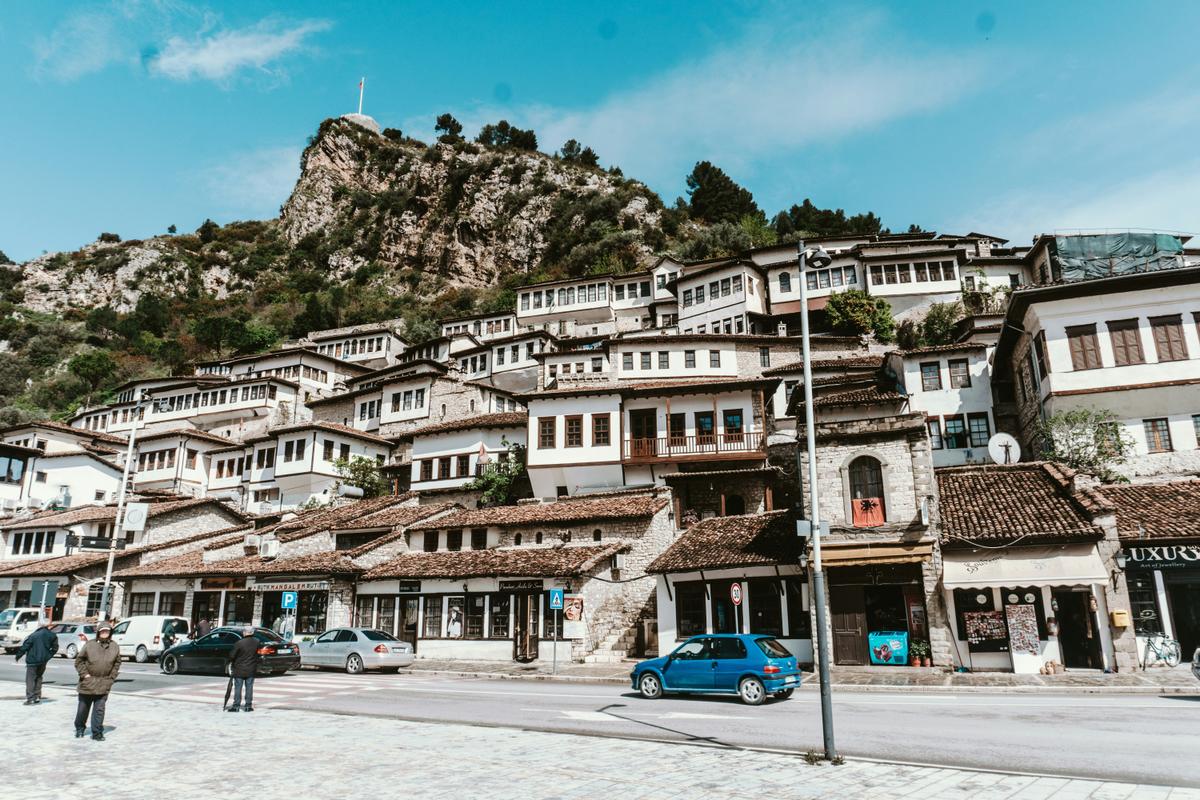
Check out Perast in Montenegro for an ancient stone seaside town, or Blagaj in Bosnia, which is a monastery tucked into a cliff. You could also discover the “City of a Thousand Windows”, Berat, in Albania, for a glimpse into the Ottoman architecture. There are plenty of rural escapes and eco-tourism spots in the Balkans that remain charming and authentic since they are not major tourist hubs.
10. Ease of Multi-Country Travel
Traveling around the Balkans is easy! The countries in the Balkans are relatively small compared to other nations in Europe. Thanks to short distances and plenty of good transport connections, such as trains and local buses, it is easy to travel between locations without hiring a car, and tick off your Balkan bucket list.
The Balkans: History, Culture, and Adventure
The Balkans are a true tapestry of history, culture, and diverse landscapes. There is an infinite amount to explore in this vast and rich region of Europe that a trip here is simply a must-do for any traveler.
It’s affordability, unique cultural experiences, and incredible array of adventure activities make it an unforgettable destination for your next trip. Whether you want to leisurely explore the coastlines and seaside villages in summer, or soar down the snowy mountains in winter, there is something for everyone in the Balkans.
Ready to explore the best of the Balkans? Start planning your adventure today! See Balkan Tours.