
This guide provides a month-by-month breakdown of the Balkans to help you choose the best time of year to travel to the Balkans based on weather, crowds, prices, and activities.
Month-by-Month Guide
January – Winter Adventures & Quiet Cities
- Best for: Skiing, experiencing quiet cities, culture, and warming up with traditional dishes such as goulash, sarma, and čevapi.
- Weather: January in the Balkans is the height of winter, with temperatures falling below freezing. Inland locations often experience snow, while coastal destinations are often milder but rainy. With snowy mountains, forests, and towns, the Balkans can be beautiful in January.
- Crowd level: Low. While the ski slopes may be busier, plenty of other locations around the Balkans have little to no crowds.
- Example destinations: For the best snow conditions for skiing and snowboarding, consider Jahorina in Bosnia and Kopaonik in Serbia. Both destinations offer great cultural experiences too, with a more authentic window into local life.
February – Culture, Snow, and Fewer Crowds
- Best for: Snow sports, authentic cultural experiences, and fewer crowds.
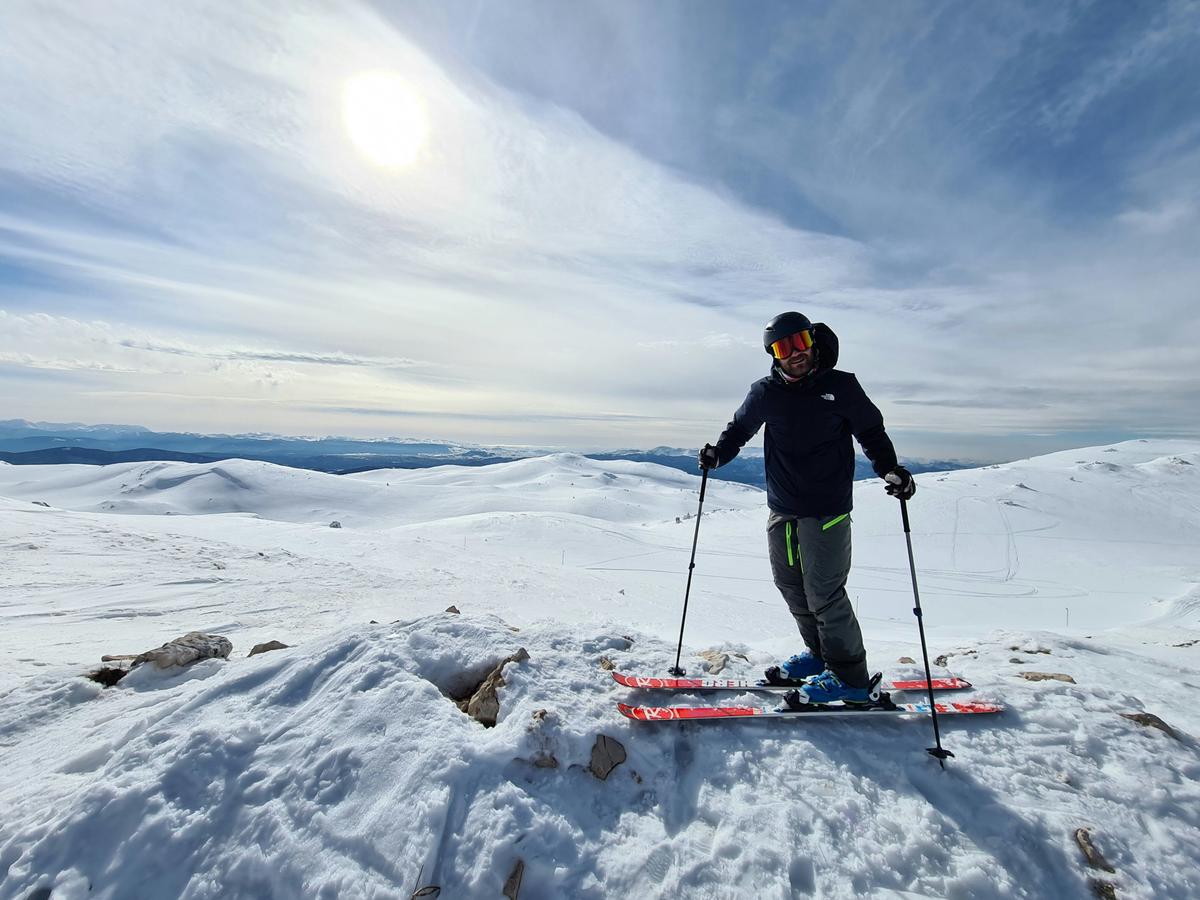
- Weather: February in the Balkans is still peak winter. Inland areas such as Serbia, Bulgaria, and Bosnia and Herzegovina experience heavy snowfall and temperatures often below -5°C (23°F). Coastal areas such as Croatia are milder and rainier.
- Crowd level: Low. Enjoy fewer crowds and a quiet, authentic atmosphere in February!
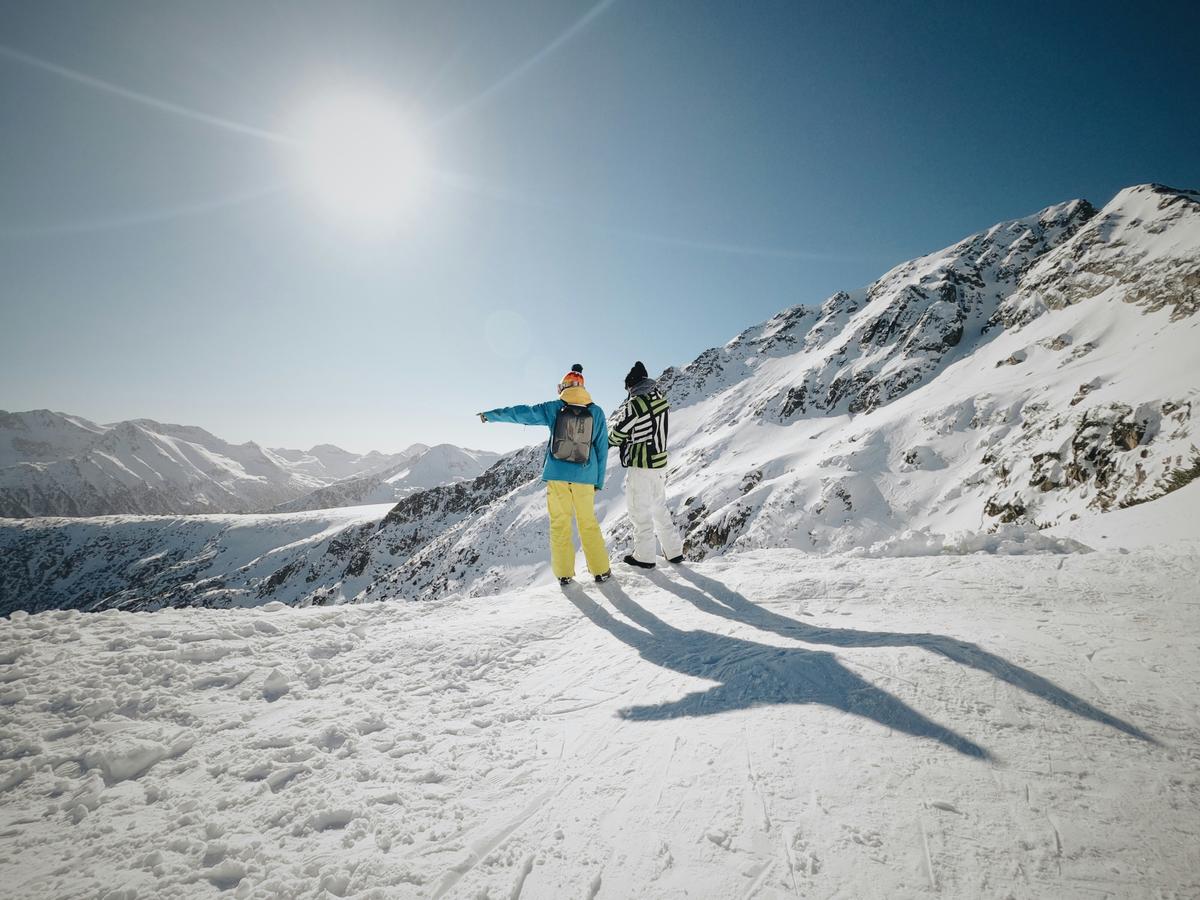
- Example destinations: For snow sports, consider Bansko in Bulgaria and Kopaonik in Serbia. Novi Sad and Niš offer rich cultural experiences with cozy cafes.
March – Spring Begins in the South
- Best for: City breaks and exploring historic centers, cherry blossoms and blooming wildflowers in Mostar, and cultural events such as the Kukeri festival in Bulgaria.
- Weather: March in the Balkans offers mild, changing weather, especially along the coastal areas that enjoy pleasant temperatures of 8–15°C (46–59°F). However, inland can still be cold and snowy. Days can be a mix of sunny and cloudy, with some rain. The region offers blooming landscapes with stunning, vibrant colors. Prepare for flexibility and quickly changing weather by always carrying a raincoat or poncho.
- Crowd level: March in the Balkans is considered a quiet shoulder month with fewer crowds and more peaceful experiences at popular sites. For example, you can enjoy far fewer crowds at Plitvice Lakes in Croatia.
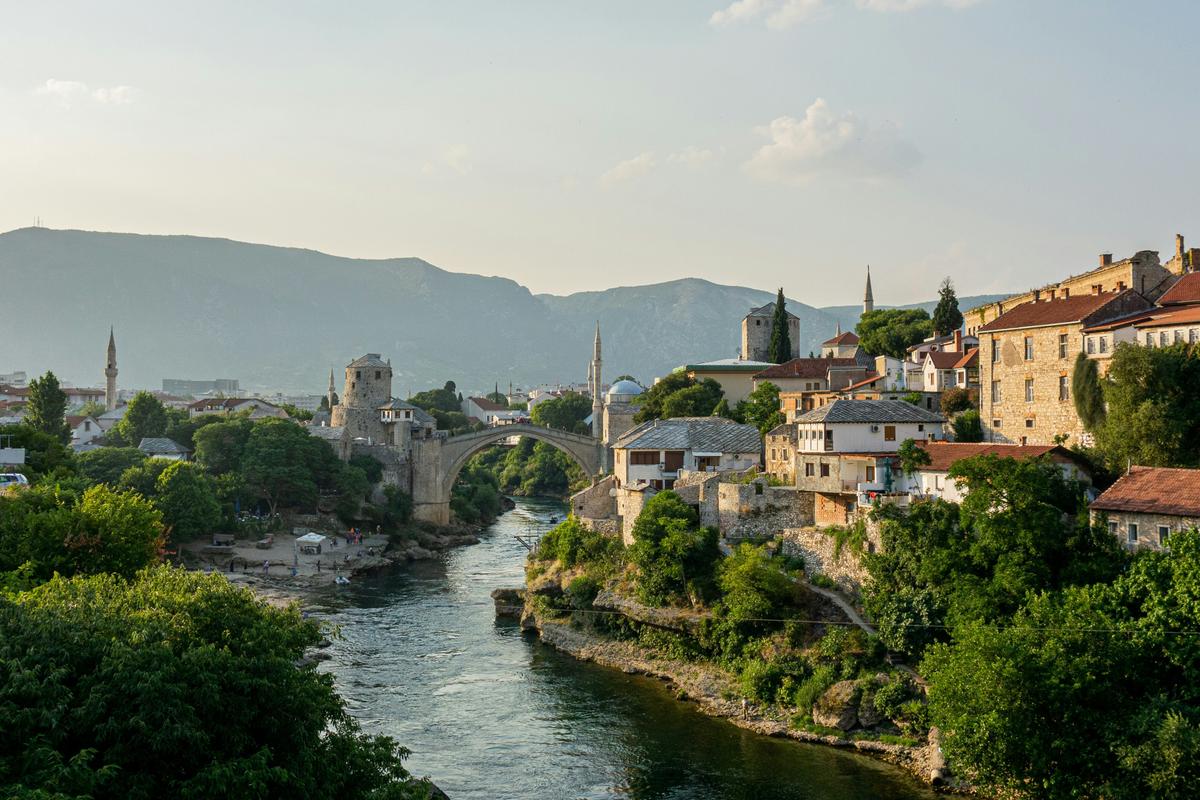
- Example destinations: For a historic city escape, try Mostar in Bosnia and Herzegovina, which comes alive with wildflowers, and mild temperatures perfect for exploring!
April – Ideal for Culture and Nature
- Best for: Hiking national parks and strolling through stunning nature and history.
- Weather: As spring arrives, days become longer and the weather warms, offering ideal temperatures for hiking and city exploration.
- Crowd level: Medium. Fewer crowds make for more peaceful and relaxed environments for exploring national parks and other hot spots.
- Example destinations: For a magical beginner-friendly hike, try the Bucegi Mountains in Romania. Hike a lush green plateau, take in the sweeping mountain views, and breathe in the alpine air! For a peaceful cultural escape, visit the Rila Monastery in Bulgaria, a colorful UNESCO site tucked into the mountains.
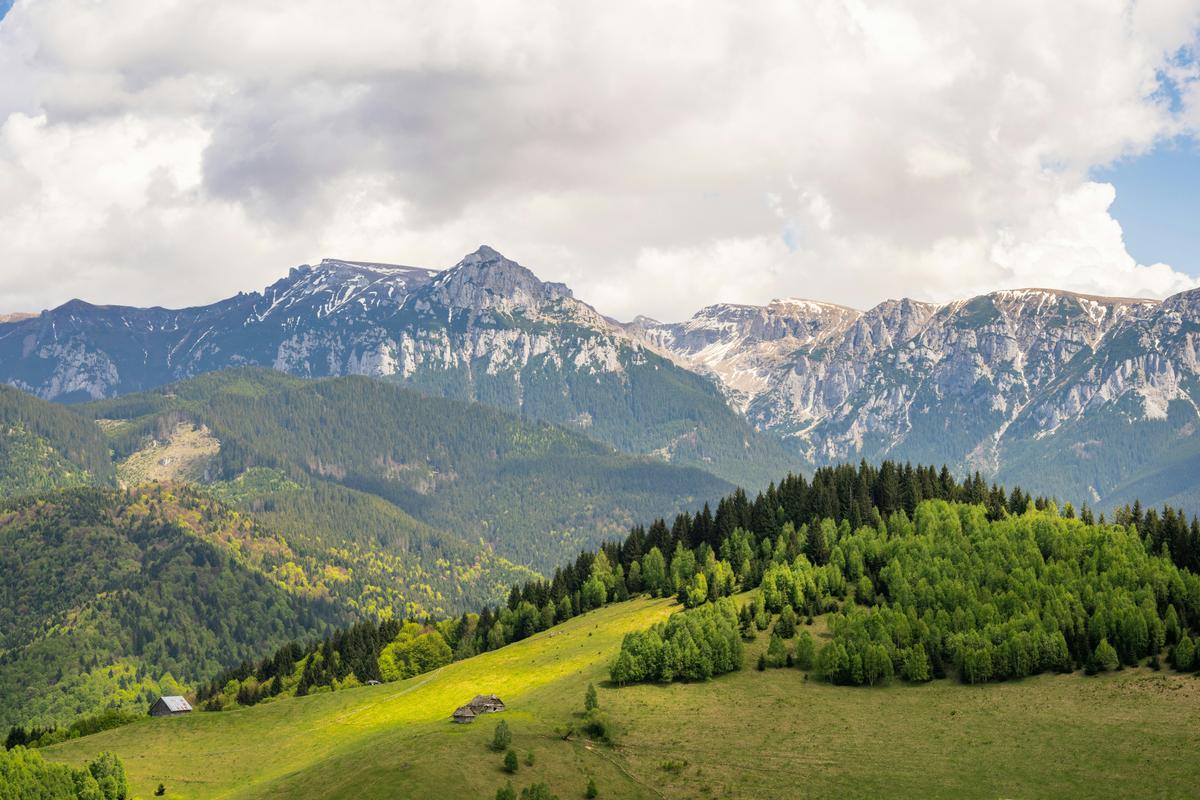
May – One of the Best Months to Visit the Balkans
- Best for: City sightseeing, exploring historical sites, and hiking.
- Weather: May offers warm and pleasant weather with temperatures ranging from 15°C–28°C (60°F–82°F). Mountain passes may still have snow, and the Adriatic Sea may still be chilly. The region is magical for nature lovers as the landscapes are in full bloom. There may be an odd light rain shower passing through coastal towns.
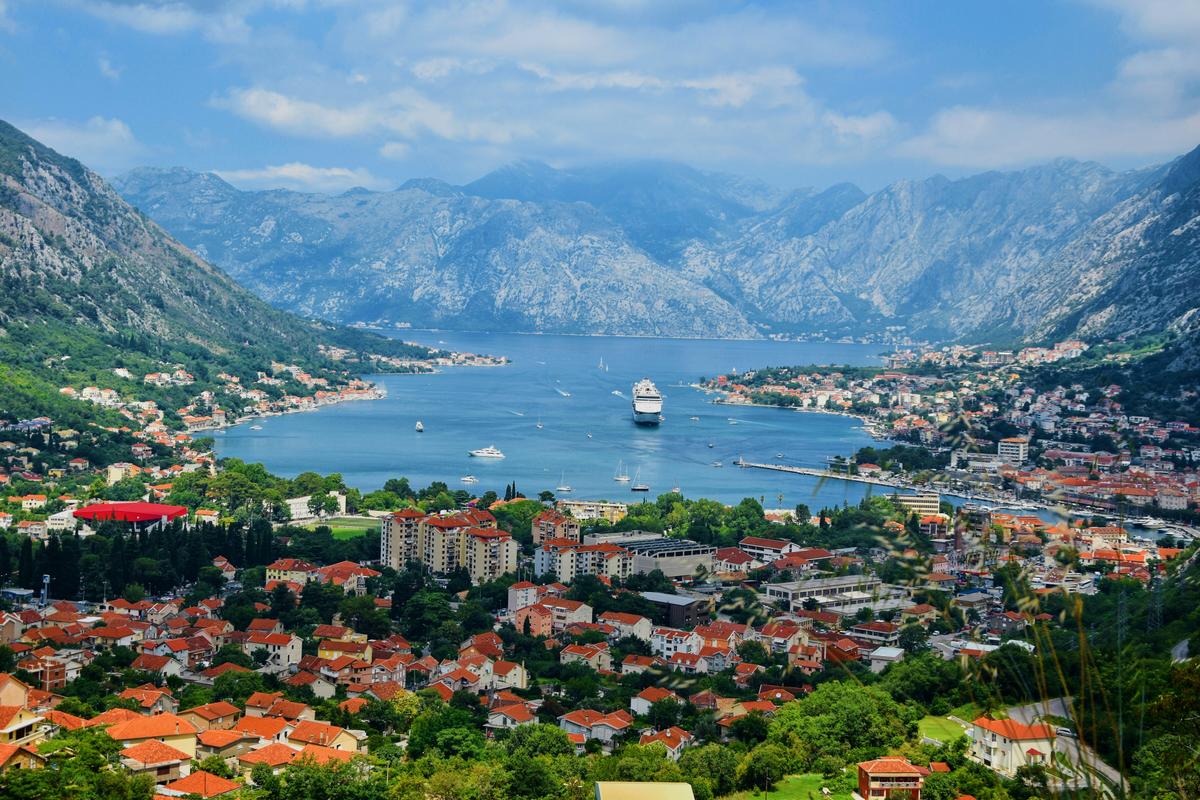
- Crowd level: Medium. Popular spots such as Dubrovnik, Croatia and Kotor, Montenegro are vibrant with activity and ambience but far less crowded than in July and August.
- Example destinations: Montenegro shines in May before the summer rush. It’s a perfect time of year for wandering the streets of Kotor’s Old Town and nearby blooming trails. While the sea may still be too cold for swimming, prices are more budget-friendly, and the greenery around Skadar Lake truly pops.
June – Start of Beach & Festival Season
- Best for: Swimming, hiking, experiencing the Rose Festival in Bulgaria, and outdoor café culture in cities such as Sarajevo, Ljubljana, and Belgrade.
- Weather: June brings warm and sunny weather, with temperatures ranging from 20°C–30°C (68°F–86°F). Expect long days and little rain.
- Crowd level: Medium-High. June is the beginning of the summer season, offering lively and bustling cities without the peak crowds that flock to the region in July and August.
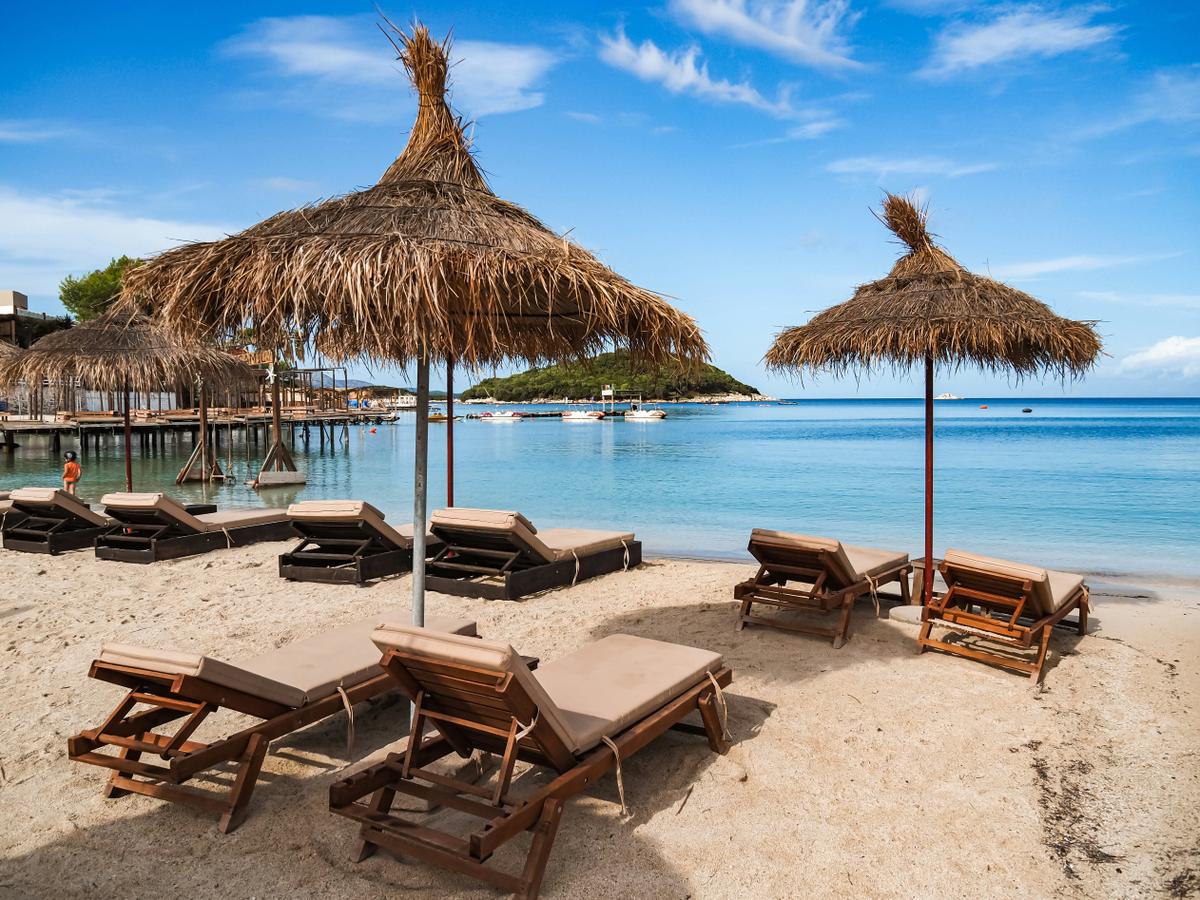
- Example destinations: Consider Albania and the Albanian Riviera in June. Sunny days and sparkling, warming waters make for perfect conditions for swimming and lounging on the beach without the crowds! It’s also a great time of year to hike the Accursed Mountains.
July – Peak Summer & Adriatic Coast
- Best for: Exploring the Adriatic Coast, beach hopping in Croatia, Montenegro, and Albania, swimming, and enjoying the nightlife.
- Weather: July in the Balkans delivers very hot and dry sunny days, especially along the coast. Temperatures can range from 30°C–35°C+ (86°F–95°F). Inland and mountainous areas can be cooler, averaging around 17°C (62°F).
- Crowd level: High. July is peak season in the Balkans. There will be crowds in hot spots such as Dubrovnik and Montenegro, with high prices for accommodation. Expect public transport such as buses to be busy. It’s important to book in advance!
- Destination examples: The coast of Croatia is magical in July. With warm, glimmering seas perfect for swimming, lively, picturesque towns, and bustling bars, towns such as Split and Dubrovnik truly shine.
August – Hot, Lively, and Festive
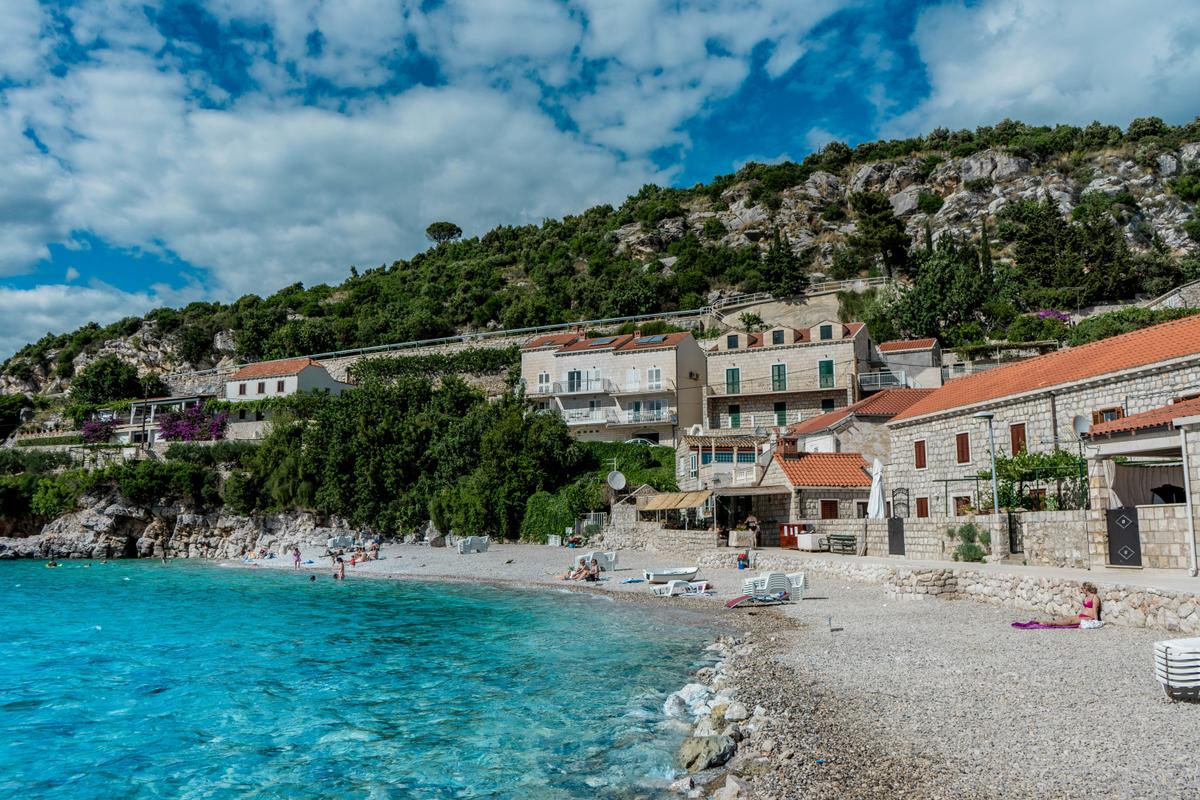
- Best for: Beaches, hot days, festivals, and mountain escapes!
- Weather: August in the Balkans brings scorching days. With plenty of sun and days well over 30°C/86°F, you may want to avoid city exploration in the middle of the day. Bring light, breathable clothing!
- Crowd level: High. August is peak season, especially along the coast. Expect lots of crowds and high prices in Dubrovnik, Split, Kotor and other coastal hot spots.
- Destination examples: Swimming and island hopping in Croatia and Montenegro is a wonderful way to spend August in the Balkans. The seas are warm and stunning! If you are into nightlife, bars and clubs are vibrant in August, too.
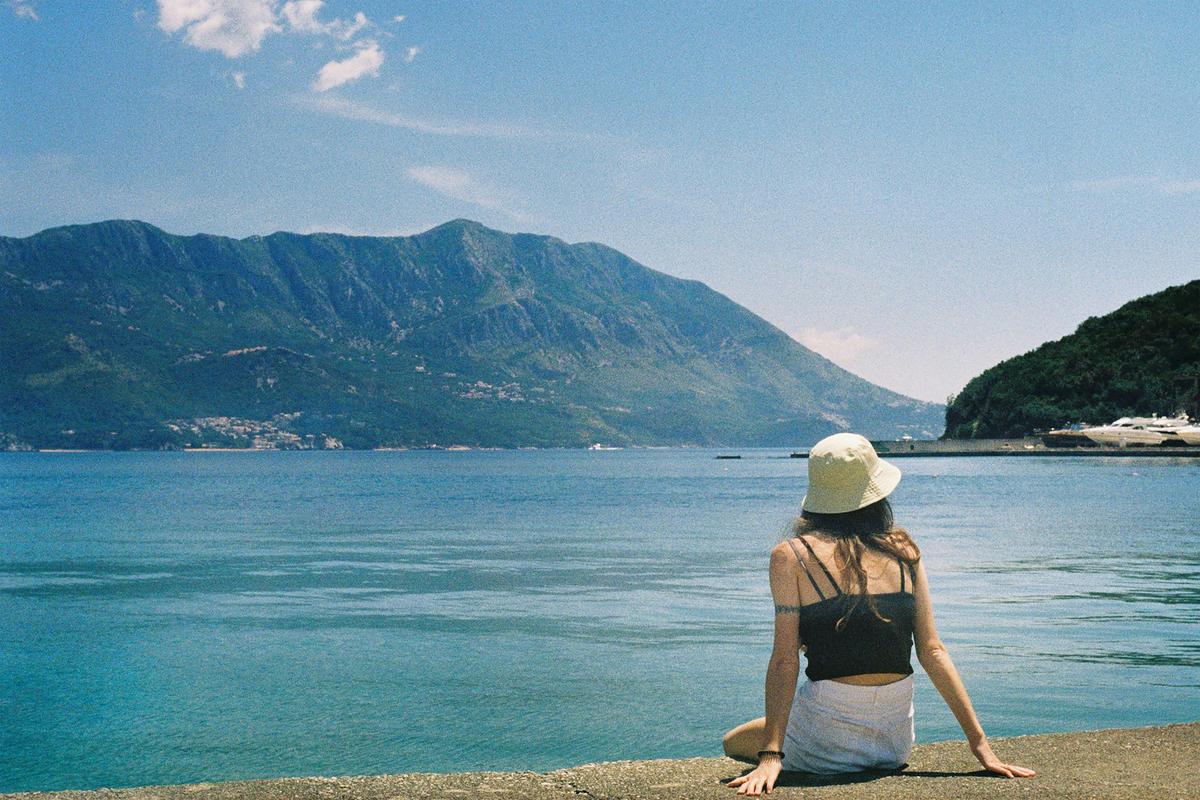
September – Best Overall Travel Month
- Best for: Vibrant coastal city life, cultural tours in the inland regions, and harvest festivals.
- Weather: While it can still be hot in September, this month marks the beginning of autumn. The weather can be unpredictable at times, bringing sudden rains or storms. Pack light clothing and a raincoat!
- Crowd level: Medium. There are fewer crowds in September as the vacation season ends. It’s a great time of year to visit the must-see attractions.
- Destination examples: September is a wonderful time to visit popular destinations such as Dubrovnik and Plitvice Lakes in Croatia. With fewer crowds, exploring these sites at this time of year is more relaxed. Lingering summer weather makes for perfect swimming at the beaches!
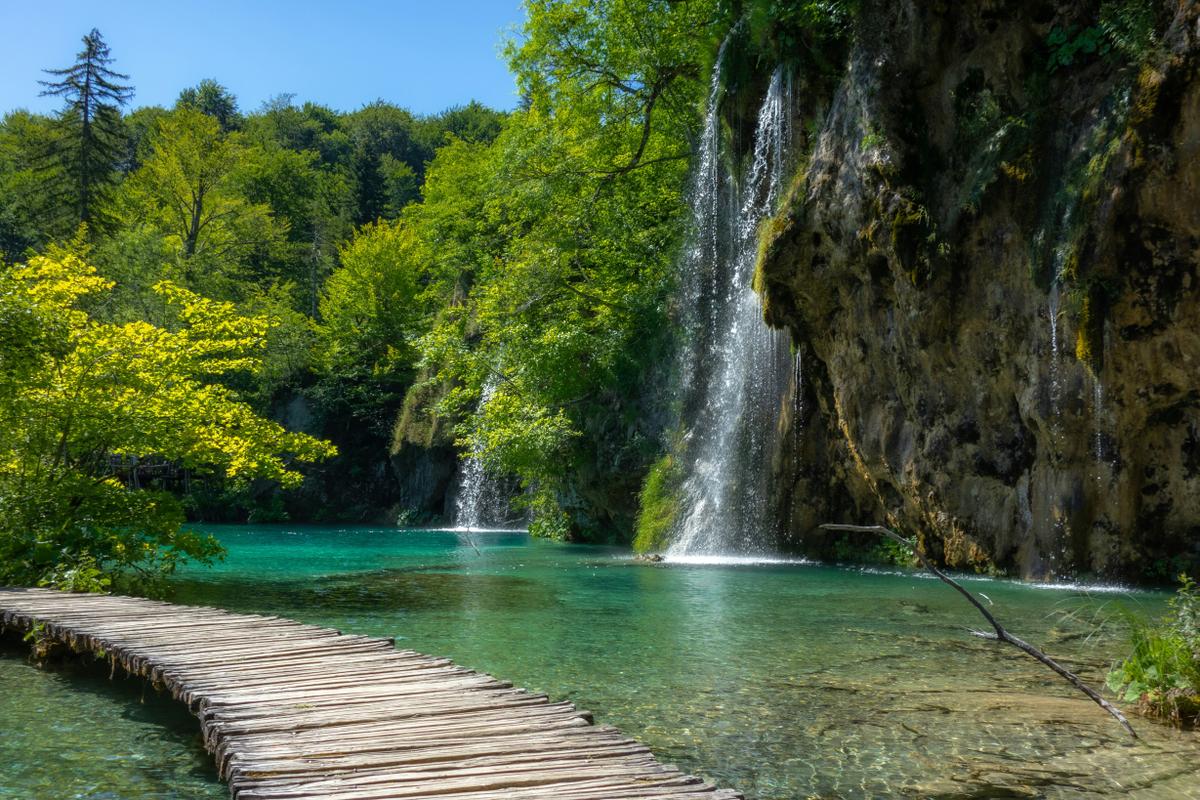
October – Fall Colors & Wine Season
- Best for: Fall colors, red-gold forests, harvest festivals, traditional food, and exploring vineyards.
- Weather: October brings beautiful weather across the Balkans. Coastal areas enjoy a milder temperature ranging from 21°C to 26°C (70°F–79°F). Meanwhile, more inland destinations can be cooler. Days are still sunny, but we recommend packing a raincoat because there can be the occasional passing rain shower!
- Crowd level: Low. With the summer season well behind, October enjoys far fewer crowds and lower prices for accommodation. October is a wonderful time of year for a peaceful visit to cities, historical sites, and beaches.
- Destination examples: Serbia and North Macedonia are great choices to experience the wine harvest. October is the best month for wine tasting in these destinations, paired with magical fall landscapes!
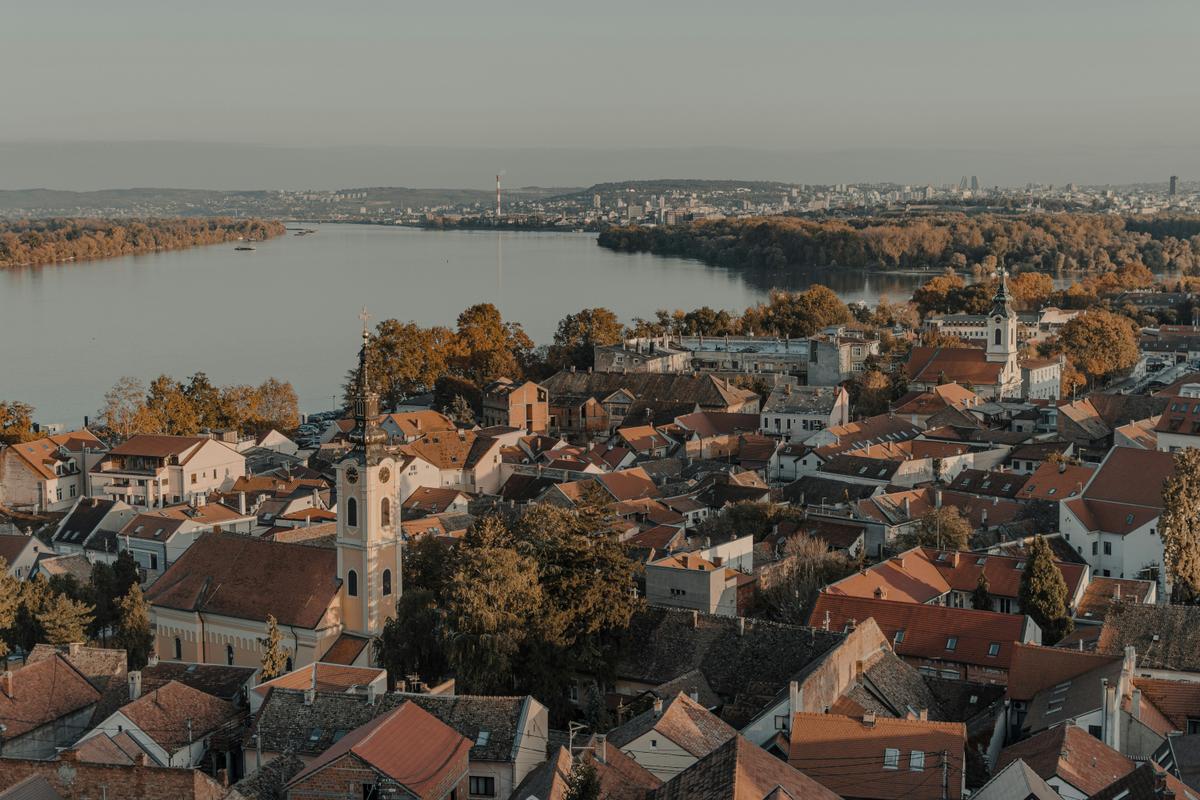
November – Budget Travel & Local Life
- Best for: City exploring, authentic experience of local life, and low prices!
- Weather: November is a cool and wet month in the Balkans. From the middle of the month, there can be more rainfall, especially in coastal areas. Mountainous regions tend to receive early snow of the season.
- Crowd level: Low. November is a great time for little to no crowds! With very few tourists, you can enjoy a more intimate and authentic experience of local life and benefit from low prices! For travelers on a budget, November is a great time to go. As a plus, you get to experience the local charm.
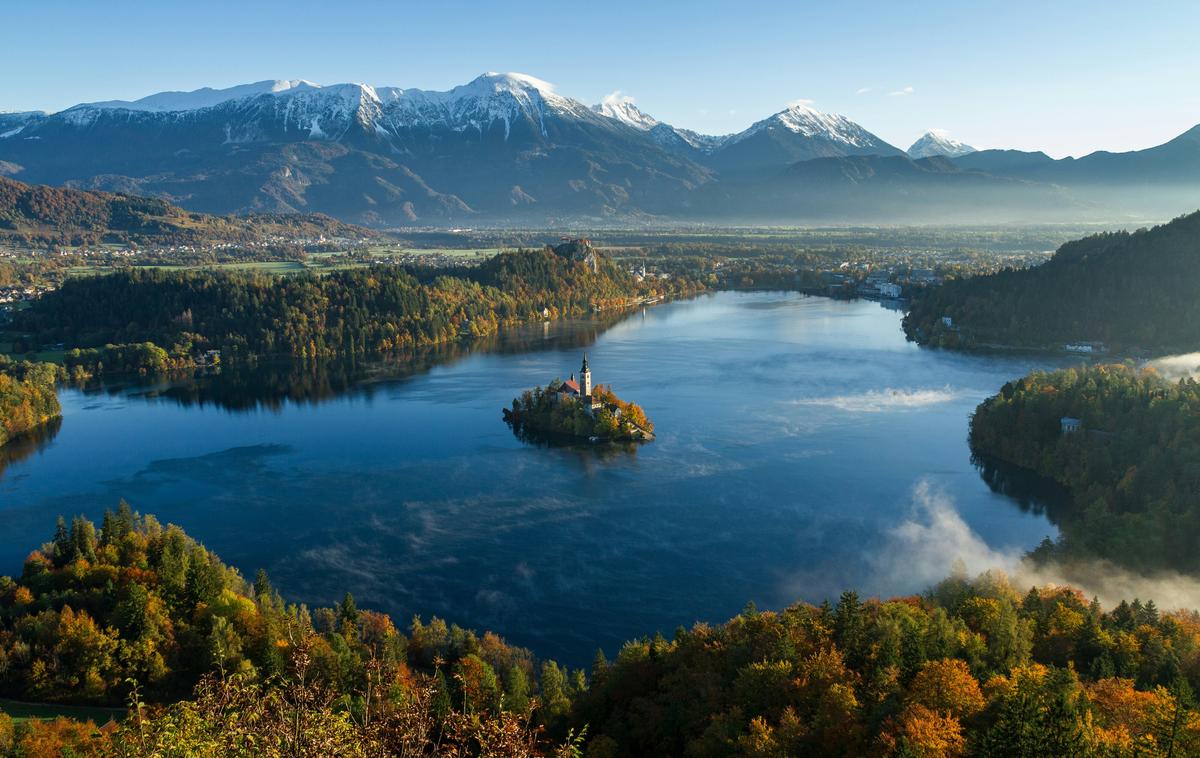
- Destination examples: Slovenia is a surprising yet excellent destination in November. Enjoy quiet cobblestone streets, fall colors, and the beginning of the truffle season. Slovenia is a destination plucked from a fairytale, especially in November when it’s quiet!
December – Christmas Markets & Mountain Resorts
- Best for: Christmas markets, ski resorts, dramatic frozen landscapes.
- Weather: December is the winter season in the Balkans. Expect freezing temperatures and snow in the mountainous inland areas. Coastal areas are milder with rainfall.
- Crowd level: Medium. Some cities, such as Dubrovnik, Kotor, and Belgrade, can be busy for the holiday season!
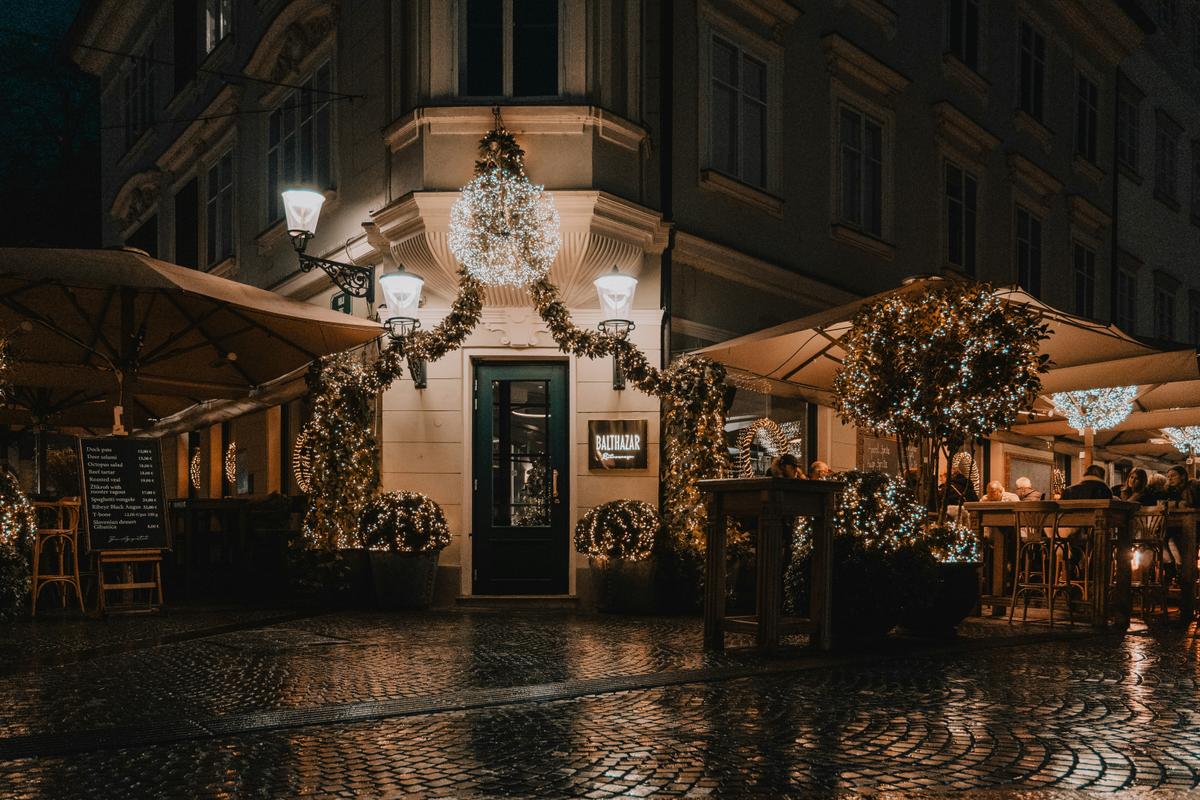
- Destination examples: Zagreb, Croatia is abuzz with festivities in December, famous for its incredible Christmas markets with festive food, music, and charming stalls. Ljubljana, Slovenia also offers stunning festive decorations and markets.
Best Time to Visit the Balkans by Travel Style
For Beaches
From June to September, the Adriatic Coast is perfect for beach hopping. The waters are warm, the days are hot and sunny, and the atmosphere is lively and vibrant. Choose September if you would like the beaches without the intense crowds!
For Culture & Sightseeing
April and May offer the best conditions for cultural experiences and sightseeing. Cooler temperatures, fewer crowds, and better prices make city exploration and sightseeing a peaceful and pleasant experience. Enjoy an authentic experience of local life.
For Hiking & Nature
April is a wonderful time for hiking. With pleasant temperatures, blossoming landscapes, and fewer crowds, it is a perfect time of year for hiking and enjoying the scenery.
For Budget Travelers
November unlocks the best prices in the Balkans. With fewer crowds, you can enjoy an authentic experience of local life!
For Festivals and Events
August is a great time for festivals and events in the Balkans. For example, there’s the Bokeljska Noć festival in Kotor, Montenegro (a parade of lantern-lit boats, live music, and parties in the Kotor Old Town) and the Ohrid Summer Festival in North Macedonia.
Why the Balkans Are a Year-Round Destination
The Balkans are an incredible region to explore and boast a range of diverse climates, such as the sparkling Adriatic Coast, snowy mountains, and cities teeming with history and culture. Thanks to short distances between countries, it is easy to explore multiple destinations in one trip. As a year-round destination, the best time of year to visit the Balkans depends on you and your goals!
The Balkans: Paradise Year-Round
With so many diverse climates and landscapes, there is no “wrong time” to visit the Balkans. The best month to visit the Balkans depends on your goals, and it is a good idea to plan your trip based on these goals. Whether you are a backpacker keen on beach hopping and vibrant nightlife, or a traveler who prefers wandering cities and taking in the quiet, peaceful charm, there is a Balkan adventure for every traveler.
Ready to plan your perfect Balkan journey? Explore our tours and start your adventure with Balkan Tours Club.